Jane Goodall: The Inspiring Life and Legacy of a Chimpanzee Guardian

Introduction to Jane Goodall
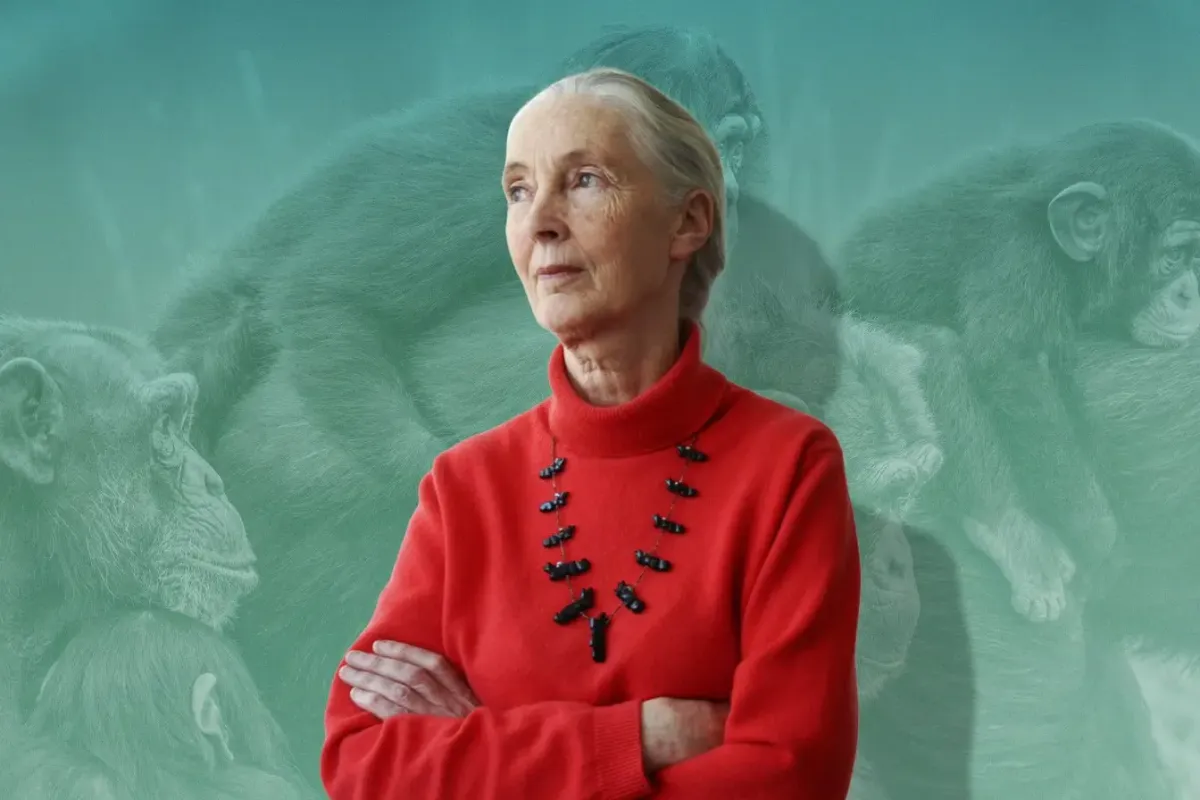
Few names shine as brightly in the field of primatology and wildlife conservation as Jane Goodall. Known for her revolutionary research on chimpanzees, her role as a global advocate for conservation, and her lifelong commitment to protecting the environment, she has inspired millions. Her story isn’t just about science—it’s about curiosity, courage, and compassion.
From a young girl fascinated by animals to becoming a world-renowned scientist, Jane Goodall has shown the world what determination can achieve. She is more than a primatologist; she is a humanitarian, educator, and symbol of hope in a world that desperately needs it.
Early Life and Childhood
Born on April 3, 1934, in London, England, Valerie Jane Morris-Goodall grew up during a turbulent time in history. World War II shaped much of her early life, but what truly defined her was an unshakable curiosity about the natural world.
A famous childhood story highlights this curiosity: at just four years old, Jane vanished from home, only to be found hours later observing chickens in a coop, determined to learn how eggs were laid. Instead of punishing her, her mother listened with patience. This support helped Jane build the confidence to follow her dreams.
Books were another big influence. Tales of Doctor Dolittle and Tarzan of the Apes fueled her imagination. She once admitted she was jealous of Tarzan’s Jane, believing she would have been a better companion! Unlike most children, who outgrow such fascinations, Jane kept her passion alive.
With limited money after the war, university seemed impossible. Yet Jane held onto her dream: to live in Africa and study wild animals.
First Fascination with Animals
Animals were Jane’s first love. She collected earthworms, watched insects, and observed her dog’s behavior, fascinated by how creatures interacted with their environment. While other children played with dolls, Jane would quietly sit and study wildlife in her garden.
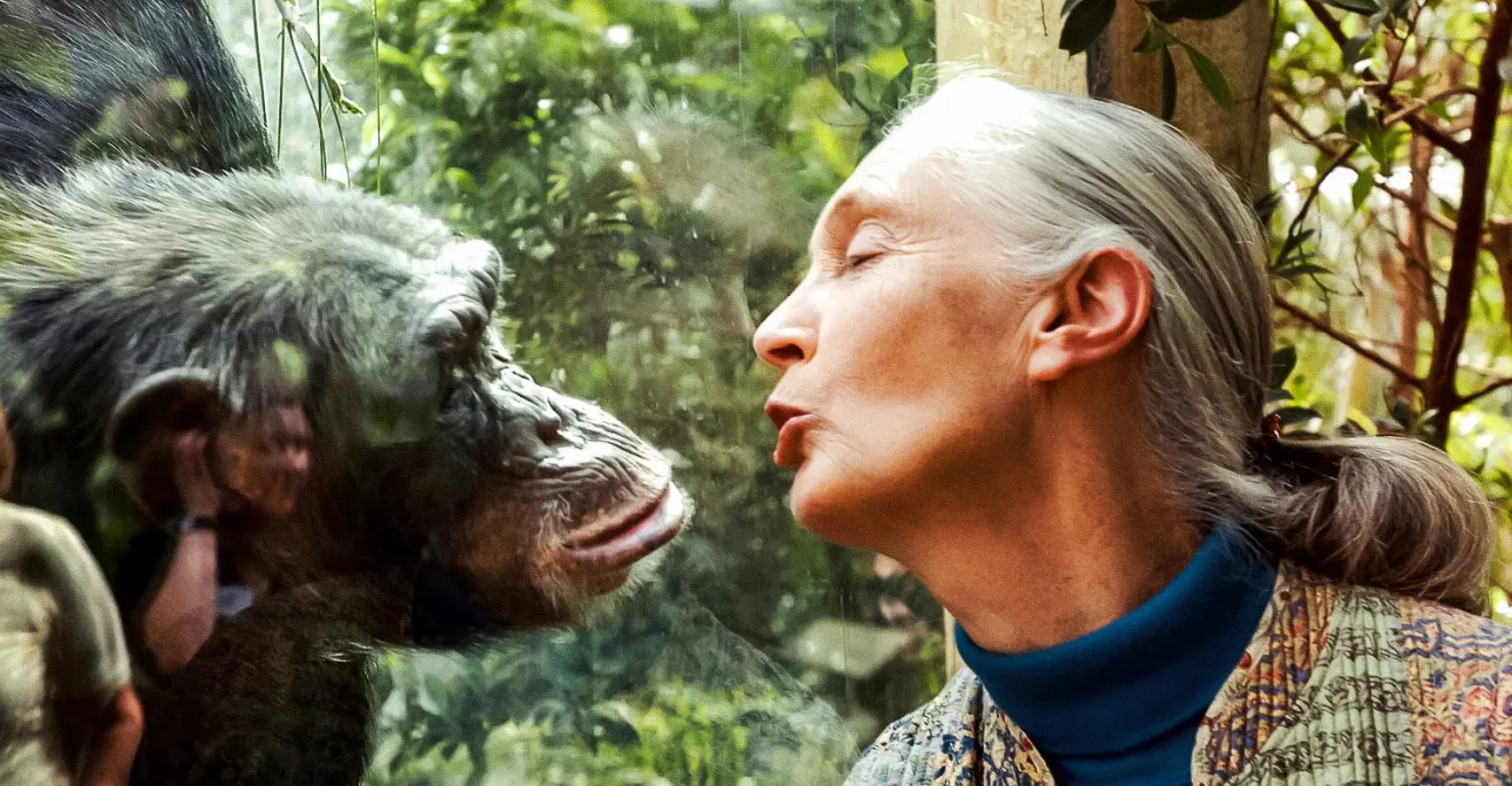
This deep bond with animals never left her. Later in life, she often said that her connection with nature was her strongest guide—something she believed all children had, but many lost as they grew older.
Journey to Africa
In 1957, at the age of 23, Jane Goodall’s dream finally came true. She received an invitation from a friend to visit Kenya. With determination and limited funds, Jane worked as a secretary and waitress to save money for the trip.
Arriving in Africa, she was captivated by its landscapes, wildlife, and culture. She knew she belonged there. Her fate took a remarkable turn when she met Dr. Louis Leakey, a famous anthropologist and paleontologist.
Meeting Louis Leakey
Louis Leakey became Jane Goodall’s greatest mentor. At first, she worked as his secretary, but Leakey quickly realized Jane had something extraordinary: patience, curiosity, and passion for animals.
Leakey believed Jane could bring new insights into the study of primates, especially chimpanzees. Despite having no formal degree in science, her unique perspective was exactly what Leakey thought the field needed.
Beginning of Chimpanzee Research
In 1960, Jane Goodall began her pioneering research in Gombe Stream National Park, Tanzania. Equipped with a notebook, binoculars, and determination, she set out to study wild chimpanzees.
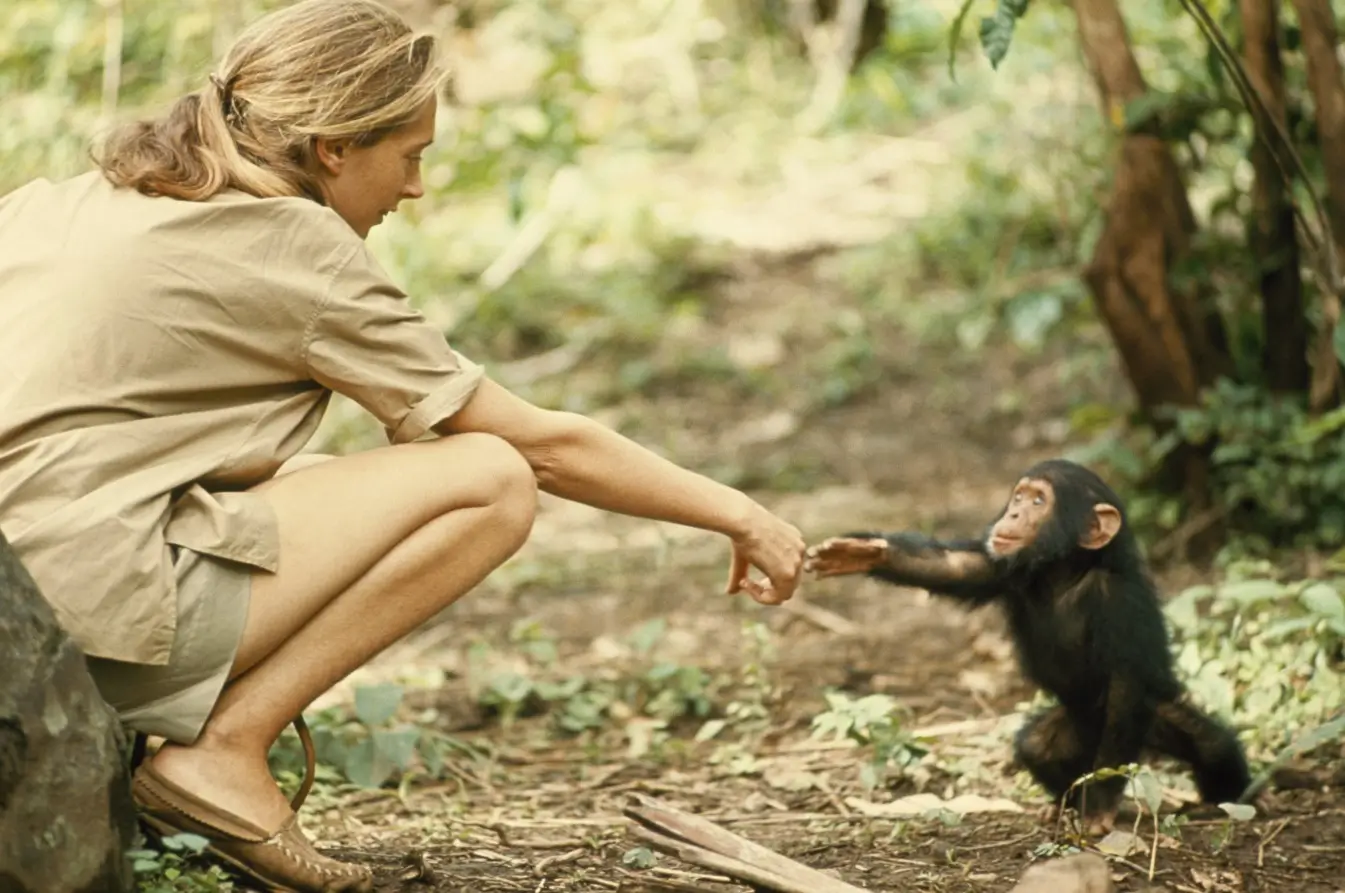
At first, the chimpanzees were shy and fled at her presence. But Jane spent hours patiently observing, often climbing ridges and hiding quietly. Over time, they grew accustomed to her presence, allowing her to witness their world like no one had before.
Founding Gombe Stream Research Centre
Her work in Gombe became legendary. She established the Gombe Stream Research Centre, where her observations challenged long-held beliefs about primates. Unlike traditional researchers who gave animals numbers, Jane gave them names—like David Greybeard, Flo, and Fifi—emphasizing their individuality.
Breakthrough Discovery: Tool Use in Chimpanzees
Jane’s most famous discovery came when she observed David Greybeard, a chimpanzee, stripping leaves from a twig to catch termites. This was groundbreaking because, until then, humans were thought to be the only toolmakers.
When she reported this, scientists were astonished. Leakey famously remarked:
"Now we must redefine tool, redefine man, or accept chimpanzees as humans."
This discovery redefined humanity’s place in the natural world.
Changing Scientific Views
Jane Goodall’s observations revealed that chimpanzees share emotions, social bonds, and intelligence with humans. They hunt, fight wars, show affection, and even grieve for their dead.
Her work broke down the barrier between humans and animals, forever changing how science views the animal kingdom.
Life at Gombe National Park
Life at Gombe was not easy. Jane lived in a small tent, endured tropical diseases, and faced the challenges of working in remote jungles. Yet, her passion outweighed the hardships.
She developed deep relationships with the chimpanzees, especially with Flo and her offspring, whose lives she documented like a family saga.
Challenges in the Wild
Jane faced many struggles—loneliness, illness, and skepticism from male scientists who doubted her methods. She also endured political unrest in Tanzania. In 1975, her research camp was attacked, and four of her students were kidnapped, an event that shook her deeply.
Yet Jane pressed on, determined that her work was bigger than any obstacle.
Role as a Conservationist
Over time, Jane realized that studying chimpanzees was not enough. Their habitats were shrinking, and they were endangered by hunting and deforestation. She shifted from researcher to global conservationist, working to protect both chimpanzees and the environment.
Founding the Jane Goodall Institute
In 1977, she established the Jane Goodall Institute, dedicated to wildlife conservation, community development, and research. The institute expanded her mission beyond Africa, influencing global policies and grassroots movements.
Roots & Shoots Program
In 1991, Jane founded Roots & Shoots, a youth-driven program encouraging children and young adults to engage in conservation and humanitarian projects. Today, it has grown into a worldwide movement spanning over 60 countries.
Advocacy for Animal Welfare
Jane has always spoken against animal cruelty. She campaigns against the use of animals in laboratories, fur industries, and circuses, promoting ethical treatment and compassion.
Work with the United Nations
Recognizing her efforts, the United Nations appointed Jane Goodall as a Messenger of Peace in 2002. She has since used this platform to advocate for environmental action, climate awareness, and humanitarian causes.
Awards and Global Recognition
Jane Goodall has received numerous honors, including:
- DBE from Queen Elizabeth II
- Kyoto Prize
- UNESCO Gold Medal
- Templeton Prize
- Gandhi-King Award for Nonviolence
These awards highlight her global impact as a scientist and humanitarian.
Books and Publications
Jane is also a gifted writer. Some of her notable works include:
- In the Shadow of Man
- The Chimpanzees of Gombe
- Reason for Hope
- Seeds of Hope
Her books blend science with storytelling, making them accessible and inspiring.
Documentaries and Media Presence
Jane Goodall’s work has been featured in countless documentaries, such as Jane (2017), which gave viewers a rare glimpse into her life and research. She remains a frequent guest on global media platforms.
Relationship with Chimpanzees
Jane’s bonds with chimpanzees like David Greybeard, Flo, and Fifi are legendary. She treated them as individuals with emotions and personalities, a perspective that challenged scientific norms.
Impact on Primatology
Her research remains a cornerstone in primatology. Many modern studies on primates owe their foundation to her work at Gombe.
Influence on Conservation Policy
Jane has influenced international conservation policies, from forest protection to wildlife trafficking. She continues to be an advisor on global environmental initiatives.
Collaborations with Scientists
Despite initial skepticism, Jane later collaborated with top scientists worldwide, building bridges between traditional research and her unique approach.
Public Speaking and Global Tours
Even in her late eighties, Jane travels extensively, delivering lectures on conservation, climate change, and youth empowerment. Her speeches inspire millions.
Personal Life and Family
Jane married twice—first to Hugo van Lawick, a wildlife photographer, with whom she had her son, Hugo Eric Louis (nicknamed Grub). Balancing family and fieldwork was challenging, but she remained devoted to both.
Philosophical and Spiritual Views
Jane often speaks about the spiritual connection between humans and nature. She believes that compassion and respect for all living beings are key to saving the planet.
Jane Goodall’s Role in Climate Action
In recent years, she has focused heavily on climate change, emphasizing reforestation, sustainable living, and renewable energy.
Legacy and Long-Term Impact
Jane Goodall’s legacy extends far beyond science. She has inspired generations to care for the planet and continues to empower youth through her programs.
Lessons from Jane Goodall’s Life
Some powerful lessons from her journey include:
- Follow your passion, no matter the obstacles.
- Patience and empathy can open doors science alone cannot.
- Protecting the environment is everyone’s responsibility.
Inspiring the Next Generation
Jane remains dedicated to inspiring young people. Her Roots & Shoots program is proof that even small actions can bring big change.
FAQs About Jane Goodall
Q1: What is Jane Goodall most famous for?
She is most famous for her chimpanzee research in Gombe, Tanzania, proving they use tools and share human-like behaviors.
Q2: Did Jane Goodall go to university?
She initially had no degree but later earned a Ph.D. in Ethology from Cambridge University.
Q3: What is the Jane Goodall Institute?
It’s an organization dedicated to wildlife conservation, research, and community development worldwide.
Q4: Is Jane Goodall still alive today?
Yes, as of 2025, she continues her advocacy and travels globally for conservation.
Conclusion – Carrying Forward Her Message
The story of Jane Goodall is not just about science—it’s about heart, determination, and hope. From a little girl who watched chickens lay eggs to becoming one of the most influential conservationists in the world, her journey teaches us that one person truly can make a difference.
Her legacy continues to inspire millions, urging us all to take responsibility for the planet and its creatures. As she often says:
"What you do makes a difference, and you have to decide what kind of difference you want to make."