When Does Hurricane Season End in Florida? A Complete Guide

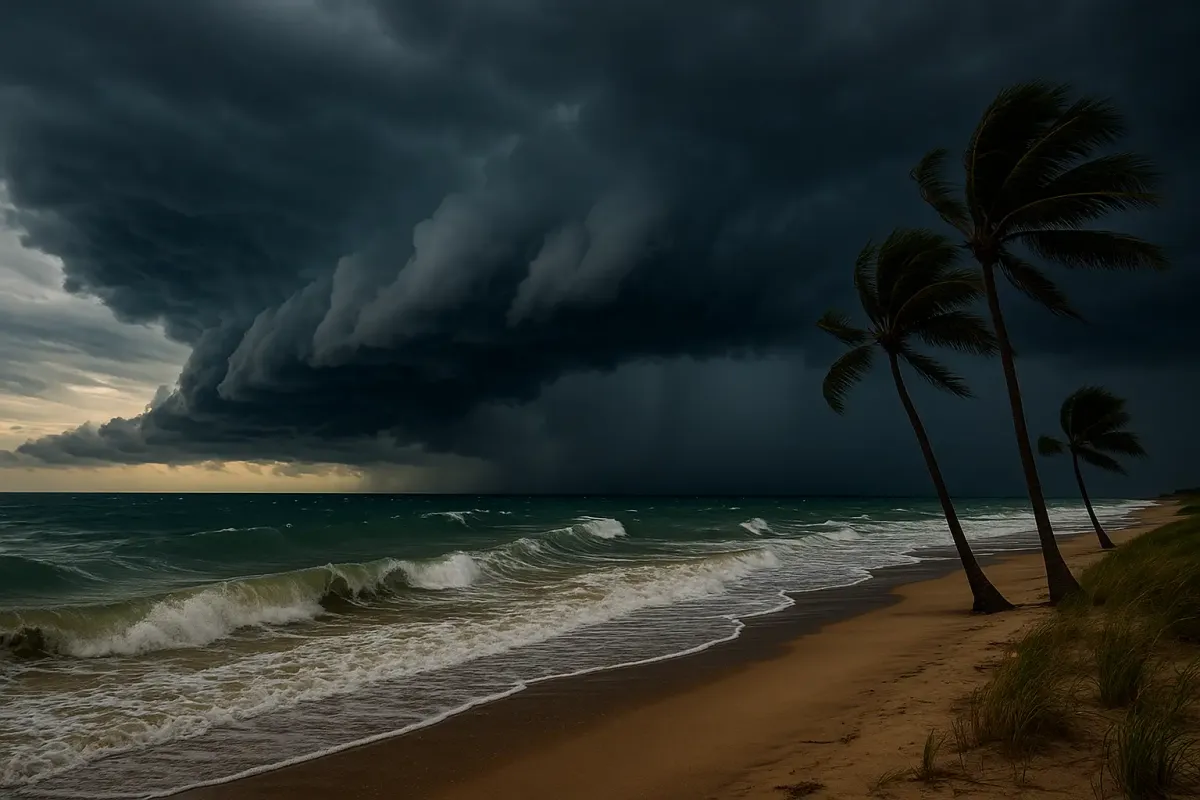
Florida is known for its beautiful beaches, warm weather, and vibrant coastal life—but it also sits in the direct path of powerful tropical storms. Every year, millions of residents and tourists ask the same important question:
When does hurricane season end in Florida?
Understanding the timing of Florida’s hurricane season is not just a weather concern—it's essential for safety, travel plans, insurance decisions, home preparations, boating schedules, and everyday life.
In this comprehensive guide, you’ll learn when hurricane season actually ends, why storms peak at certain times, recent climate trends affecting storm frequency, and smart safety measures everyone in Florida should know.
1. What Is Hurricane Season in Florida?
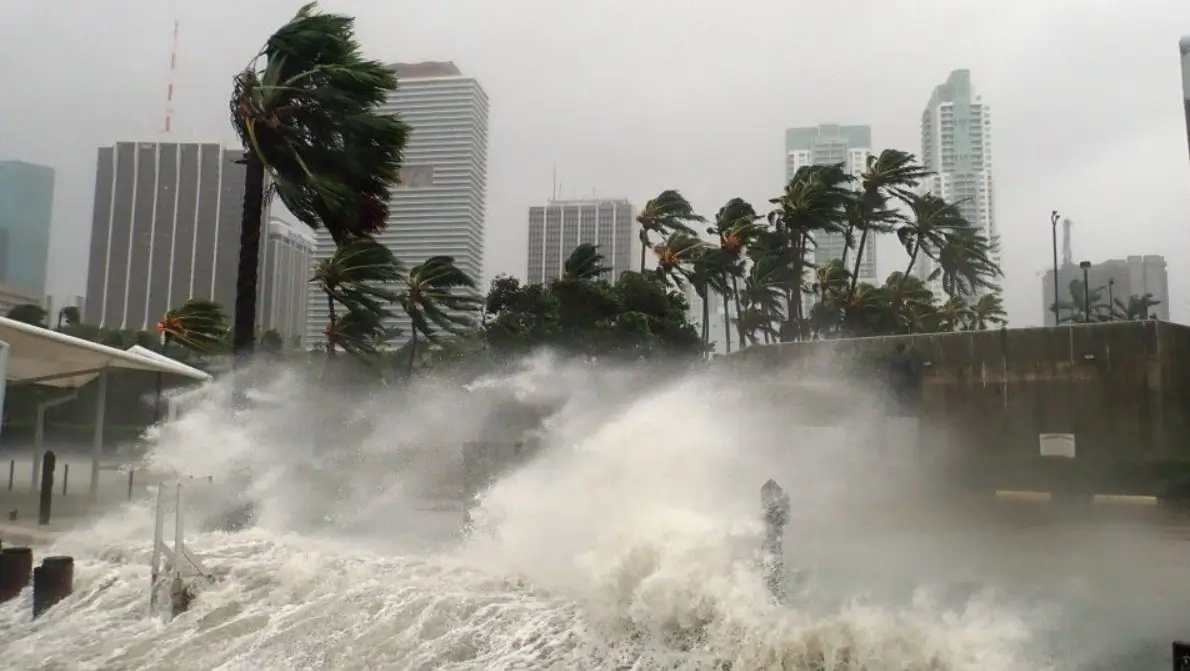
Hurricane season is the annual period when weather patterns, ocean temperatures, and atmospheric conditions align to create stronger tropical cyclones in the Atlantic Ocean, Gulf of Mexico, and Caribbean Sea.
According to the National Oceanic and Atmospheric Administration (NOAA):
Florida hurricane season runs from June 1 to November 30 every year.
However, storms can technically form outside this window, especially in warmer years.
Key Details:
| Aspect | Information |
|---|---|
| Official Hurricane Season Dates | June 1 – November 30 |
| Peak Activity Period | August 15 – October 15 |
| Primary Risk Sources | Atlantic Ocean, Caribbean Sea, Gulf of Mexico |
| Most Affected Areas | South Florida, Florida Keys, Gulf Coast |
2. When Does Hurricane Season End in Florida? (Clear Answer)
Hurricane season in Florida officially ends on November 30.
But here’s the important part:
The intensity and frequency of hurricanes typically drop sharply by late October.
That means:
- September → highest storm activity
- October → storms still frequent but shifting toward the Caribbean
- November → fewer storms, but not zero
Why the Season Doesn’t End Early
- Ocean waters remain warm well into fall
- Moist tropical air continues moving across the Gulf and Caribbean
- Late-season systems often form in the Caribbean, then travel north
So while November storms are less common, history has shown they can still be strong.
Example:
- Hurricane Eta (2020) made landfall in November and caused widespread flooding in South Florida.
3. Why Hurricanes Peak Between August and October
The biggest factor is sea surface temperature.
Hurricanes need:
- Warm water (at least 80°F / 27°C)
- Moist tropical air
- Low wind shear
These conditions align strongest between August and October when Florida’s oceans reach their warmest temperatures.
Supporting Data (NOAA, 2024):
| Month | % of Seasonal Storms |
|---|---|
| June | 6% |
| July | 8% |
| August | 27% |
| September | 34% |
| October | 17% |
| November | 6% |
Conclusion:
September is the most dangerous month of hurricane season in Florida.
4. Florida Regions at Highest Hurricane Risk
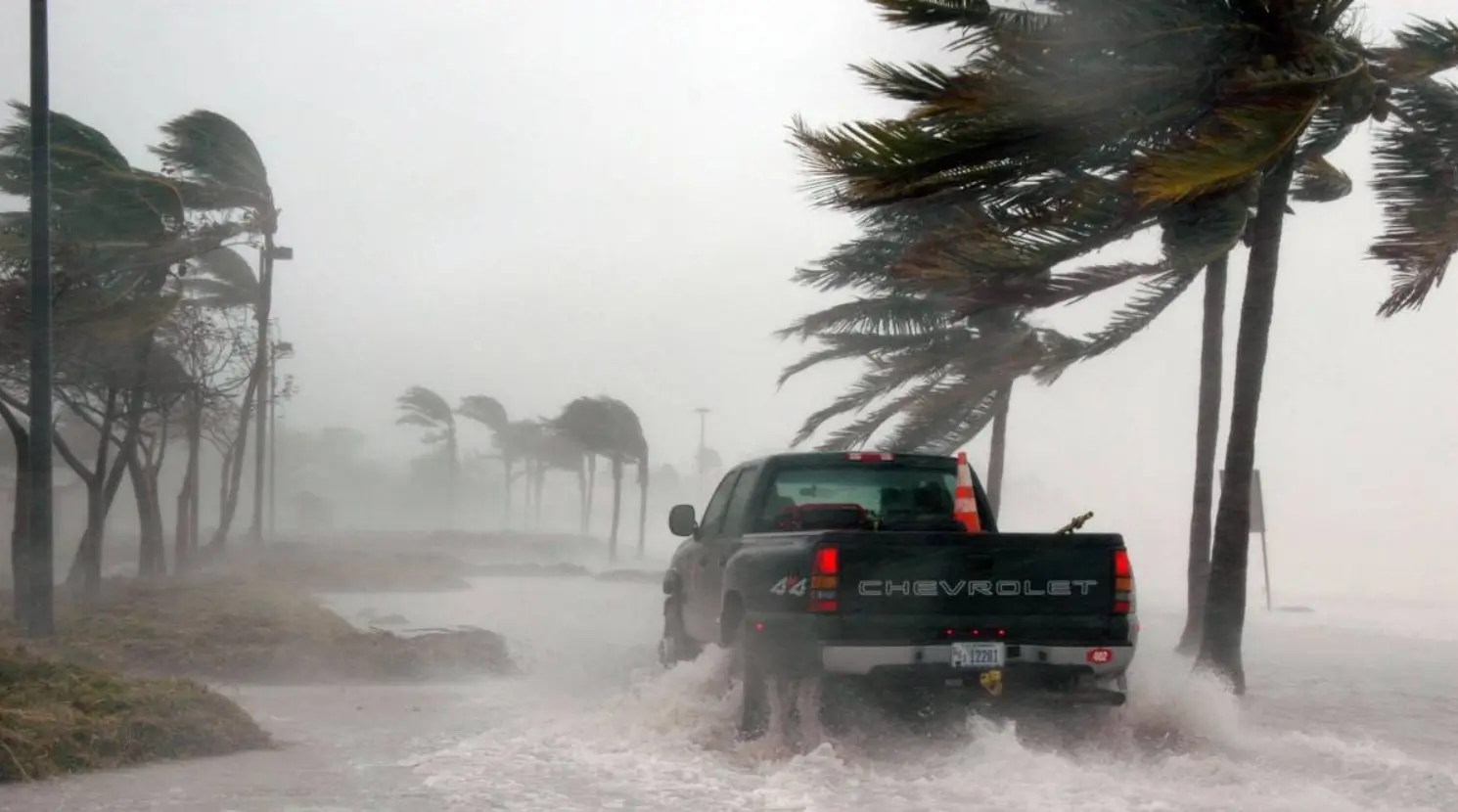
Not every part of Florida faces the same level of danger.
Highest Risk Zones
| Region | Risk Level | Reason |
|---|---|---|
| Florida Keys | Very High | Surrounded by warm open water |
| Miami, Fort Lauderdale | Very High | Coastal + population dense |
| Tampa Bay to Naples | High | Gulf storms hit west coast directly |
| Panhandle (Pensacola → Panama City) | High | Gulf hurricanes frequently landfall |
| Orlando / Central FL | Moderate | Storms weaken over land but still strong |
Lower Risk (but not zero)
- North Central Florida
- Jacksonville coast
5. Recent Trends: Are Hurricanes Getting Worse?
Short answer: Yes, but not necessarily more frequent—more intense.
Key Scientific Findings:
- Ocean temperatures are rising, providing more fuel for storms.
- Hurricanes today are reaching Category 4 and 5 strength more often.
- Storms are moving slower, resulting in longer impacts and flooding.
- Storm surge levels are higher due to rising sea levels.
Example:
- Hurricane Ian (2022) hit Southwest Florida as a Category 4, causing $112B+ in damages (NOAA).
6. How to Prepare Before, During & After Hurricane Season
✅ Before Season (April–June)
- Review home insurance policies
- Stock essential supplies:
- Water
- Non-perishable food
- Flashlights
- Solar/backup phone chargers
- Medical supplies
- Trim trees & secure outdoor furniture
⚡ During Peak Season (August–October)
- Monitor forecasts daily (Apps: NOAA Weather, MyRadar, Windy)
- Keep your car tank at least half full
- Prepare go-bag with essentials
- Evacuate early if advised
🌤 After Season (December)
- Restock supplies
- Document any property repairs
- Review what worked & what didn’t
7. Travel & Insurance Tips
For Travelers
- Avoid visiting Florida Keys & Miami during peak season.
- Book refundable flights and hotels.
- Consider travel insurance with storm coverage.
For Florida Homeowners & Renters
- Standard insurance does NOT cover flood damage.
- Purchase National Flood Insurance Program (NFIP) coverage.
8. Historical Major Hurricanes in Florida
| Year | Hurricane | Category | Impact |
|---|---|---|---|
| 1992 | Andrew | 5 | Devastated South FL |
| 2004 | Charley | 4 | Hit Punta Gorda |
| 2005 | Wilma | 3 | Major South FL damage |
| 2017 | Irma | 4 | Statewide destruction |
| 2022 | Ian | 4 | One of costliest in U.S. history |
9. Climate Change & Future Predictions
Climate scientists predict:
- More rapid intensification events
- Greater rainfall rates
- Longer-lasting storm seasons
Some experts suggest hurricane season may expand beyond November if ocean temperatures continue rising.
10. Final Safety Checklist
| Task | Status |
|---|---|
| Emergency kit ready | ✅ |
| Evacuation plan reviewed | ✅ |
| Roof & windows inspected | ✅ |
| Insurance confirmed | ✅ |
| Weather apps installed | ✅ |
11. Conclusion
So, when does hurricane season end in Florida?
Officially on November 30, but real risk is highest from August through October.
Understanding the timeline isn’t just about dates—it's about being prepared, informed, and resilient.
If you live in or plan to travel to Florida, stay aware, stay ready, and stay safe.
12. FAQs
Q1: When does hurricane season officially end in Florida?
Hurricane season officially ends on November 30 each year.
Q2: What month has the most hurricanes in Florida?
September historically has the highest number of hurricanes and strongest storms.
Q3: Can hurricanes form in December in Florida?
Yes, it's rare but possible when ocean temperatures remain warmer than average.
Q4: What part of Florida is safest from hurricanes?
Areas in North Central Florida generally face lower impacts than coastal regions.
Q5: Does homeowner's insurance cover hurricane damage?
It often covers wind damage, but flood insurance must be purchased separately.