10 Essential Facts About What Is Cloud Storage in ibis Paint X You Need to Know



1. Introduction: what is cloud storage ibis paint x explained
If you’ve ever asked the question “what is cloud storage ibis paint x”, you’re not alone—and you’re about to get clarity. In the creative journey of digital art, one moment you realise that your artwork lives only on that tablet or phone, and if something goes wrong you could lose it all. That’s where the built-in cloud storage of the popular app ibis Paint X comes into play. This feature allows you to upload your artworks, synchronize them across devices, and rest easier.
In plain language: the cloud storage in ibis Paint X is an internet-based storage space offered by the app’s developer, where your artworks can live safely outside just your device’s internal memory. The phrase what is cloud storage ibis paint x is thus the key question for any artist using that app who wants to protect and manage their data.
In this article, we’ll dig deep—covering how it works, its limits, pros/cons, best practices, real-world user feedback, and how you can get the most from it. I’ll speak from experience and research so you feel confident choosing the path that fits your creative workflow.
2. Why artists need cloud storage in a digital drawing app
Imagine you’re deep in a drawing session on your phone or tablet using ibis Paint X. You’ve layered shadows, highlights, refined details—and then your device crashes, or you lose your phone, or somehow the app’s data gets corrupted. Without a backup or cloud sync, your hours-worth of work can vanish in a blink.
That’s why cloud storage matters: it offers a safety net. Artists benefit because:
- Their work is not tied to one device only.
- They can switch devices and pick up where they left off.
- They have an off-device copy in case of hardware failure or data corruption.
- Collaboration or sharing becomes easier (you could sync to multiple devices).
In the context of ibis Paint X, the cloud storage feature directly answers the what is cloud storage ibis paint x question from the user’s vantage: it gives you that safety and flexibility inside the same drawing app.
From an experience standpoint, this means less “heart-in-your-mouth” moments when you close the app, and more creative freedom. From an authority standpoint: apps that support built-in cloud storage recognise the creative stakes. For trust: you’re using a feature endorsed by the app developer rather than a hacky workaround.
Hence for any serious digital artist using ibis Paint X, knowing and using the cloud storage feature isn’t optional—it’s smart.
3. Overview of ibis Paint X and its cloud storage feature

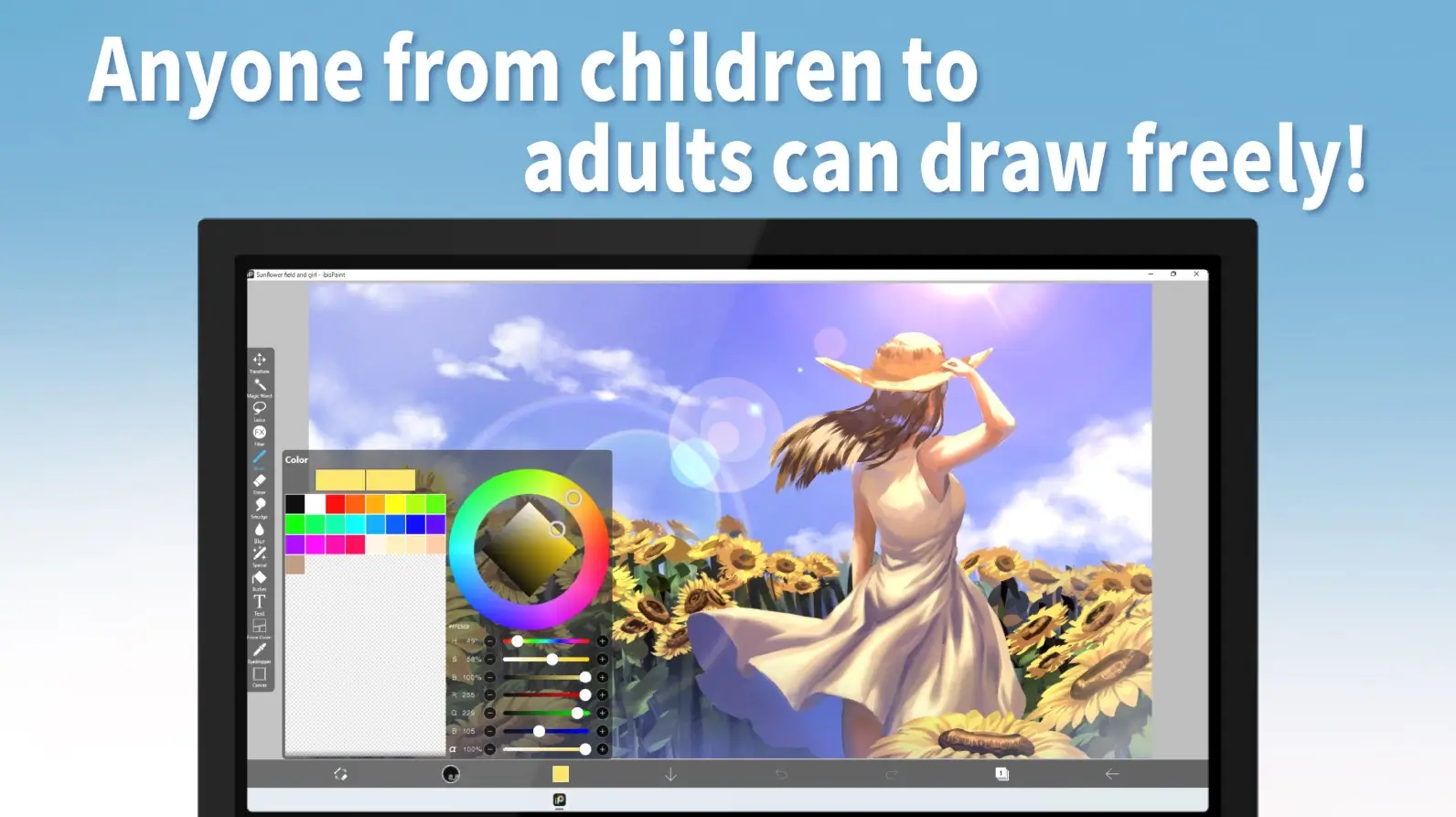
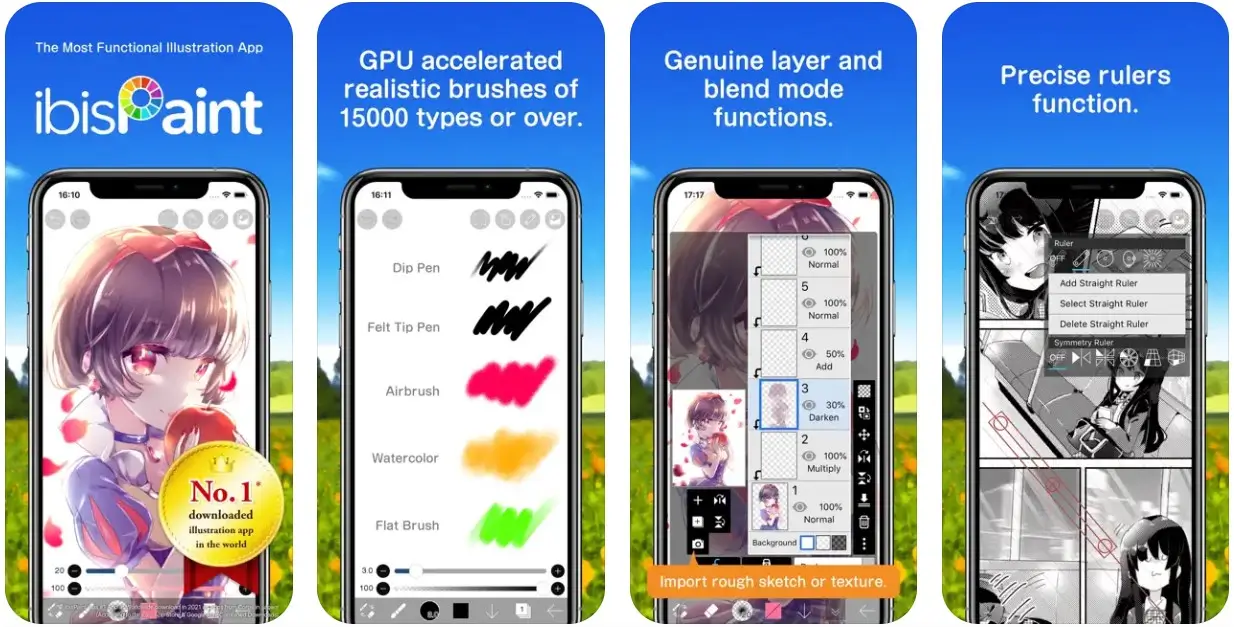
ibis Paint X is a digital drawing app for mobile devices (iOS/Android) that offers a wide range of brushes, layers, blending modes, filters, and community gallery features. The developers (ibis Inc.) added a dedicated “cloud storage” or “cloud synchronization” function so users can upload their artwork files and access them from another device.
Specifically:
- The “cloud storage” refers to an internet-based file area where artworks from the app can be uploaded.
- The app allows “synchronizing the artworks on your device with Cloud Storage” in its tutorial list.
- In settings, you’ll find an option labeled “Cloud Synchronization” (or similar) where you can toggle auto-sync and choose behavior for deleting synced items.
In short: the cloud storage feature is an integrated option within ibis Paint X designed to let you back up, sync, and transfer your creative files across devices and safeguard them beyond local storage.
4. How cloud storage works in ibis Paint X: upload and sync processes
Let’s walk through the mechanics—so you understand exactly what happens behind the scenes when you engage the feature denoted by the question “what is cloud storage ibis paint x”.
Uploading / Syncing
- In ibis Paint X, you go to Settings → Cloud Synchronization and turn it on. From there you can enable automatic syncing over Wi-Fi or mobile network.
- The app will then upload your artwork files (sometimes after you mark them for sync) to the cloud area provided by the app. According to user feedback, synced items often appear with a green check-mark once stored online.
- When you install ibis Paint X on another device and log in with the same account (via ibisAccount, Facebook, Apple, etc), you can access those synced artworks—assuming they were uploaded and are within your storage quota.
- You can download or open your artwork on the new device and continue editing. Some layers, metadata, and drawing states are preserved if you use the correct file format (.ipv) and sync properly.
Behind the scenes
- The cloud storage is a dedicated remote file space maintained by the developer—so you’re essentially uploading to their server rather than merely saving to your own Google Drive or similar (though you may also export there manually).
- Deletion behaviour: In the settings you can choose whether deleting a synced file on your device also deletes it from cloud or leaves the cloud copy.
- The syncing process depends on internet connectivity, device state (e.g., device going to sleep may pause sync) and storage limits. If the device sleeps or network is weak, uploads may stall.
Why this matters
Understanding the process ensures you don’t assume the cloud storage feature is “automatic backup” without checking settings. If you just ask “what is cloud storage ibis paint x” but never turn on sync or exceed your quota, you may still lose work. Many users have reported syncing issues due to storage limits or mis-settings.
So, in a nutshell: the cloud storage in ibis Paint X works by uploading your artwork files to a server, synchronising across devices, and offering a restore/transfer pathway—provided you configure it and stay within limits.
5. Supported devices and platforms for cloud storage in ibis Paint X
When you’re asking what is cloud storage ibis paint x, one important part is knowing on which devices the feature works.
Supported platforms
- The app is available on iOS (iPhone, iPad) and Android devices. The cloud storage/sync feature is supported on both.
- Additionally, there are tutorials for transferring data between devices using PC/Mac (for iOS) or SD card (Android) alongside or instead of the cloud sync workflow.
Device switching scenarios
- Android → Android: You can sync via the cloud or export/import artworks manually to external storage (SD card).
- iOS → iOS: You can sync via cloud storage, or use manual methods via iTunes as described by ibis’s official lecture.
- Cross-platform (Android ↔ iOS): While cloud sync may work if you use the same account, differences in OS may necessitate exporting/importing IPV files and using other cloud services as backup. Many users report using Dropbox/Google Drive as external supports.
Device limitations
- On some devices, external storage (like SD card) may not support all features—so cloud sync may be the more reliable path for device transitions.
- Large files with many layers consume more storage space and network bandwidth, so older or slower devices may struggle uploading or retrieving via the cloud.
Why this matters
If you know the device-compatibility, you can plan better for backups. When you ask “what is cloud storage ibis paint x”, you’re not just asking “what does it do”—you’re asking “will it work on my device?”, “will I be able to move from phone to tablet?” The answer: yes—but you must check your platform, account login, and ensure sync is enabled.
6. Storage limits: free vs paid tiers in ibis Paint X cloud storage
One of the most critical aspects when asking what is cloud storage ibis paint x is understanding the storage quotas and how they affect your workflow.
Free tier
According to the user community, when the cloud storage feature first launched:
- Free users were allotted 64 MB of storage.
That’s not a lot if you’re working with large layered drawings or many files.
Paid/Prime membership tier
- For users who upgrade to the “Prime Membership” (or equivalent paid option), the storage rises significantly—for example one reported number is 20 GB for premium members.
What this means
- If you are working on many artworks, or high-resolution canvases with multiple layers, free storage will fill up quickly.
- Once you exceed your quota, syncing may stop or files may fail to upload; some users report that their artworks became inaccessible when they had exceeded free storage.
- Paid storage gives you more breathing room—but you’ll want to assess whether the cost aligns with how much artwork you produce or need to store.
Tips to manage limits
- Regularly delete or archive older projects you no longer need synced.
- Export backups externally to free space in cloud while keeping your device copy.
- Monitor your sync status: many users report seeing “green check-marks” for synced items. If you don’t see them, you may be out of quota.
Why this matters
Without acknowledging storage limits, you might assume the cloud storage feature covers “everything forever”—and that’s a mistake. When you ask “what is cloud storage ibis paint x”, one part of the answer must be “how much can you store?” Because if you exceed it, the safety net fails.
7. Step-by-step setup: activating cloud storage in ibis Paint X
Having covered what the feature is, we now walk through how to turn it on step by step. This ensures you’ll answer your own “what is cloud storage ibis paint x” question with action.
Setup steps
- Open ibis Paint X on your device and ensure you’re logged in using an account (ibisAccount / Facebook / Apple ID).
- Navigate to Settings, then scroll to the section labelled something like “Cloud Synchronization” or “Synchronise the Cloud Storage and local files.”
- Turn on the toggle for Cloud Synchronization. If available, also enable “Synchronize automatically even with mobile network” if you wish to allow uploads when Wi-Fi is unavailable.
- Choose your Behaviour on Deleting Synchronized Item: either “Delete Only Local File” (so cloud copy remains) or “Delete File on Cloud As Well.” Choose based on how you want to manage files.
- Optionally, tap “Get More Capacity” to upgrade to a “Prime Membership” or similar if your needs exceed the free quota.
- Return to your gallery or artwork list and mark/upload your artwork files for sync. In many cases they’ll automatically upload if sync is on, but you may need to manually initiate upload for older files. Users report that the artwork will show a green check-mark when uploaded.
Verification
- After uploading, install ibis Paint X on another device, log in with the same account and check if your synced artwork appears. If yes, the setup is successful.
- If you don’t see the artwork, check:
- Did you exceed your cloud storage quota?
- Is auto-sync toggled on?
- Is your internet stable?
Importance for workflow
By following these steps, you go from asking “what is cloud storage ibis paint x” to “how do I use cloud storage ibis paint x”—and that transition is crucial for artists. Getting the feature up and running early on means you avoid worrying about data loss later.
8. Exporting and importing artworks (.ipv, .psd) with cloud storage
Even with cloud storage, it’s wise to understand how file formats and manual exporting interplay with the built-in syncing. This answers the deeper part of what is cloud storage ibis paint x—namely how your artwork data is handled.
File formats in ibis Paint X
- The app uses a native format
.ipv(ibis Paint Format) capable of preserving layers, metadata, time-lapse recording, etc. Users report .ipv preserves creation/modification times and layers when imported. - You can also export artwork as
.psd(Adobe Photoshop format) if you want to edit in other software; layers are often retained in this export, though some filters or app-specific functions may not translate perfectly.
Using cloud storage + exports
- When you upload via the cloud storage feature, the uploaded file may still use the native format inside the service. It retains layer info if handled correctly.
- For added safety, you should also export each finished artwork to an external backup (Google Drive, Dropbox, PC) in .ipv or .psd format. This is a manual complement to the cloud storage feature.
Importing artworks from external backup
- On a new device, after syncing or installing, you may import your .ipv file and open it in ibis Paint X—which restores layers, metadata, and editing state. Many users use this for migrating between devices.
Why this matters
When exploring what is cloud storage ibis paint x, it’s not enough to know there’s cloud storage—you also need to know that the storage preserves the richness of your work (layers, edits, meta) and plays nicely with export/import. If the cloud only stored flattened JPGs, the value would be much lower. By combining built-in cloud sync with robust export/import using .ipv/.psd, you maximise protection.
Pro tip
Regularly export your .ipv files to an external drive or cloud service outside ibis Paint X. That way if anything happens to your ibis account, you still have raw backups.
9. Manual backup strategies besides built-in cloud storage
Even though you now understand what is cloud storage ibis paint x, relying exclusively on that one feature is risky. Having multiple backup layers is wise for any creative professional.
Why manual backup is important
- Cloud storage quotas may fill. Exceeding them may halt syncing.
- The cloud service may have outages, bugs, or data may fail to sync properly (users have reported missing artwork).
- Device crashes or account issues may leave you locked out temporarily. Having your own backup gives peace of mind.
Recommended strategies
- Export all completed artworks as
.ipvor.psdregularly (weekly or monthly). - Keep an offline copy on an external hard drive or SD card (especially for larger files).
- Tag or name folders by date, project name, version number, so you can retrieve quickly.
Use external cloud services like Google Drive, Dropbox, or OneDrive. For example, a Reddit user:
“I just switched phones recently and moved all of my files in IPV format to my google drive…”
Workflow example
- Finish artwork in ibis Paint X.
- Sync it to built-in cloud storage.
- In “My Gallery” export the .ipv file and upload to Google Drive.
- At end of month, copy the entire export folder to an external drive.
- Delete very old drafts (if you don’t intend to revisit) from cloud storage to free space.
Why this matters for “what is cloud storage ibis paint x”
By understanding that the built-in cloud is one layer of protection—and by combining it with manual backups—you truly master the concept of cloud storage in ibis Paint X rather than relying on it naïvely.
10. Pros of using the cloud storage feature in ibis Paint X
Now that you know how the system works, let’s highlight the major advantages of using the feature—why it’s worth your attention when you ask what is cloud storage ibis paint x.
Major benefits
- Device-independence: You can work on one device, sync, then open on another without losing progress or layers.
- Safety from hardware failure: If your tablet breaks, you haven’t lost all your artwork locked to that device.
- Space saving on device: If you set deletion behaviour wisely, you can remove local copies and retain cloud copies, freeing up internal storage space.
- Time-lapse and metadata preservation: Because the native .ipv format is supported, you don’t lose your “making-of” history.
- Continuity of creative workflow: You can pick up a sketch on your phone later on your tablet seamlessly.
Real-world impact
Artists often speak of “relief” when they realise their work is safe in the cloud rather than only stored locally. One Reddit user shared:
“Yes, in my personal experience cloud sync does work ... I use ibis paint on both my laptop and phone and all of my artwork transfers to both devices just fine.”
That sense of security is a big deal—especially if you’ve ever lost work.
Why this strengthens your toolkit
Understanding the advantages of the cloud storage feature helps you make the question what is cloud storage ibis paint x become less abstract—instead you see why it matters. It transforms the feature into a tool you actively use to protect and amplify your creative output.
11. Common pitfalls and limitations of the built-in cloud storage
Of course, nothing is perfect. Knowing the weaknesses is just as important as knowing the strengths when mapping out your answer to what is cloud storage ibis paint x.
Storage limitations
- Free quota can be very small (e.g., 64 MB) and may fill fast if you draw large, complex canvases.
- Even with paid tier, you still must manage space or risk uploading failures.
Sync issues and user complaints
- Uploading large files may stall if the device sleeps or network is weak. The settings note you should prevent device from sleeping during sync.
Some users report losing artwork despite being on premium membership. For example:
“All my work is gone… I had prime membership… cloud still says 64MB…”
This suggests sync may not be fool-proof and you should verify your uploads.
Cross-device complexity
- On switching devices or OS platforms, some manual steps (export/import) may still be required to preserve complete layer data.
- Device-specific storage (SD cards, external memory) adds complication. Some Android users indicate the built-in sync doesn’t handle external storage workflows neatly.
Dependency on account and developer’s infrastructure
- If your account login fails or developer changes policy, you might be locked out of your cloud data.
- If the developer discontinues the service, you might lose future syncing unless you migrate earlier.
Why this matters
When you know both the ups and the downs of the feature, you answer the question what is cloud storage ibis paint x not just in ideal terms but in realistic terms. That allows you to plan—and for your creative work, that’s gold.
12. Real user experiences: success stories and cautionary tales
Hearing from others who ask or answered the question what is cloud storage ibis paint x helps ground everything in reality.
Success stories
A Reddit user said:
“Yes, in my personal experience cloud sync does work. I use ibis paint on both my laptop and phone and all of my artwork transfers to both devices just fine.”
That shows the feature can deliver the promise of cross-device sync.
Cautionary tales
On Reddit:
“I just lost everything. My SD card malfunctioned and I had to reinstall the app.”
This emphasises that even when you think you’ve covered yourself, backups matter.
Another user:
“I tried restoring purchases but cloud still says 64 MB when I’m supposed to have 20GB for prime membership. Then … I lost all my work after device reformat.”
That illustrates what can go wrong when expectations aren’t matched by execution.
Learnings from these experiences
- Always verify your sync is complete (look for green check-marks).
- Don’t assume premium membership automatically means flawless syncing. Confirm it.
- Maintain alternative backups in addition to the built-in cloud.
How this improves your understanding of “what is cloud storage ibis paint x”
By pairing features with real user feedback, you move from theory to practice. You learn not just what the feature is, but what people’s lived experience has been—and that shapes smarter decisions.
13. How to transfer artworks between devices using the cloud storage feature
Transferring is one of the key values—so when you ask what is cloud storage ibis paint x, you should expect “it enables cross-device transfer”. Let’s see how to make that real.
Transfer via built-in cloud sync
- On Device A: Ensure your artworks are uploaded and synced (check green check-marks).
- On Device B: Install ibis Paint X, log in with the same account.
- The synced artworks should appear in the gallery or cloud section—allow you to download or open them.
- Once downloaded, you can edit on Device B just like on Device A.
Transfer via manual export/import (useful when OS differs)
- Export .ipv or .psd from Device A: Gallery → select artwork → Share → Save as .ipv/.psd → Upload to external storage or send to Device B.
- On Device B: Receive/import file → open with ibis Paint X → continue editing. This method is described in ibis’s official tutorial for iTunes or SD card transfers.
Things to watch
- Make sure you’re logged into the same account, because cloud storage is tied to your account identity.
- Allow enough time for the initial upload on Device A, especially if you have many files.
- On Device B, initiate download for each artwork if it doesn’t automatically appear. Some users say you need to manually download each one.
Why transfer matters
If you draw at home on a tablet, then later want to touch up on a phone while commuting, the ability to pick up where you left off is invaluable—and that is a major part of what the feature what is cloud storage ibis paint x makes possible.
14. Security and privacy: is cloud storage in ibis Paint X safe?
When you use a cloud feature for your creative work, questions about security and trust naturally arise. So when considering what is cloud storage ibis paint x, you also consider how safe is it.
What we know
- The feature is provided by the developer (ibis Inc.) inside the app environment, so you’re using a trusted channel rather than an unknown third-party.
- In the settings, you see privacy policy links, login via Facebook/Apple/ibis account which adds control.
Things to consider
- The security of any cloud storage depends on endpoints: your device login, the strength of your password, whether you use two-factor authentication (if available).
- You should make sure your account credentials are secured—because if someone gains access, they could potentially delete or download your artworks.
- Encryption specifics (at rest / in transit) of the built-in service may not be fully publicised. So for mission-critical work you might still prefer an additional encrypted backup.
Privacy of your artwork
- If you’re creating commercially-important or sensitive art (commissions, intellectual property), don’t rely solely on built-in storage—keep your own records.
- Check the app’s terms of service: respect their guidelines for intellectual property, model release, export rights, especially if you share to online galleries.
Why security matters for your “what is cloud storage ibis paint x” decision
Because learning what the feature is needs to be accompanied by whether you can trust it. For your artwork, your time, your creative investment—they deserve a safe place. Understanding the security posture helps you decide how much to rely on it and what backup layers to add.
15. Best practices for organising your cloud-stored artworks
Knowing what is cloud storage ibis paint x is one thing; organising it wisely is another. If you treat it like a dumping ground, you’ll face same chaos you tried to avoid. So here are best practices.
Folder and naming structure
- Use consistent naming conventions:
Project_Title_Date_Version.ipvhelps you identify files easily. - On external backup drives/cloud, create folders by year or project type:
2025_Webtoon_ProjectX,2024_Sketchesetc.
Tagging and metadata
- In ibis Paint X’s gallery, use the description or tags fields to note project type, client name, version number.
- When exporting, ensure you keep the metadata if possible (.ipv stores creation/modification times).
Regular review & cleanup
- Once a project is finalised, and exported: you might Archive the local copy or remove it from the device to save space, while keeping it in cloud or external storage.
- Periodically delete old backups you no longer need to avoid clutter and hit storage limits.
Version control
- If you iterate many times on a piece, keep major milestone versions (v1, v2, v3) not every minor tweak.
- Use .ipv because it preserves layers—so you can roll back if needed.
Backup diversity
- Don’t just rely on the ibis cloud: export at least one off-app copy (Dropbox/Google Drive), so if app’s cloud suffers issues, you’re covered.
Why organisation matters
When you use cloud storage without structure, eventually you’ll spend more time hunting files than creating new ones. By organising, you maximise the benefit of the feature described in your original question what is cloud storage ibis paint x and minimise hassles.
16. Managing storage: how to free up space and avoid over-quota
Earlier, we saw that storage quotas are real. The next logical question for what is cloud storage ibis paint x is: “how do I keep it from hitting the ceiling?” Here are techniques.
Techniques to free space
- Delete unneeded local-only drafts: If you have sketches you never intend to revisit, export and delete them.
- Compress or flatten older works: Export them as PNG/JPG rather than full .ipv if you only want record, not editable layer.
- Archive older works externally: Move older .ipv files to Google Drive/Dropbox and then remove them from the ibis cloud.
- Check upload status regularly: In the gallery, look for the sync status indicator (green check-mark vs pending). If many files haven’t uploaded, they may count against quota nonetheless. Some users note the check-mark is important.
- Upgrade if necessary: If you're consistently creating large files, investing in larger storage tier may save time and headaches.
Tips for efficient space usage
- Use moderate canvas sizes where possible (for drafts or internal use). High-resolution canvases consume more space.
- Clear old time-lapse videos if they’re stored alongside .ipv.
- Use external drives for archive: HDs are cheaper per GB than premium cloud storage tiers.
How this feeds into “what is cloud storage ibis paint x”
By managing space proactively, you ensure the cloud storage feature remains helpful rather than becoming a bottleneck. Understanding “what is cloud storage ibis paint x” thus includes knowing how to manage it day-to-day.
17. Using alternative cloud services (Google Drive, Dropbox) with ibis Paint X
Even though you ask what is cloud storage ibis paint x, it’s smart to know how this built-in option interacts with or can be supplemented by external cloud services. Many users do exactly that.
Why use an external service?
- They often offer larger free tiers (e.g., Google Drive’s initial free = 15 GB) vs ibis’s free 64 MB.
- They’re platform-agnostic: you can access via PC, tablet, phone, web.
- Great for archiving older projects outside your primary drawing workflow.
How to integrate them
- After export, you can delete the artwork from the built-in cloud (if it’s just archive) to free space.
- For cross-device transfer: upload .ipv to external cloud, then download on the new device and open in ibis Paint X.
In ibis Paint X: use “Share” or “Export” from the artwork’s three-dots menu; choose “Save as .ipv/.psd” and select Google Drive/Dropbox as destination. Reddit users describe this method:
“I moved all of my files in IPV format to my Google drive…”
Caveats
- External services don’t integrate with ibis’s automatic sync—so you’ll have to manually handle versions and layer preservation.
- Make sure the .ipv or .psd file format is preserved (not converted to JPG only) when uploading to avoid loss of editability.
Why this matters for your understanding of “what is cloud storage ibis paint x”
Knowing external options enriches your answer: you’re not limited to the built-in feature—you can augment it. That gives you flexibility and robustness beyond the native system.
18. How cloud storage in ibis Paint X fits into your overall workflow
Having looked at the how, what, and why, it’s time to place this feature inside your creative workflow—that is, how your drawing process might adapt so the question what is cloud storage ibis paint x becomes part of your regular habit.
Typical workflow incorporating cloud storage
- Sketch/outline stage – Create rough sketches on Device A.
- Refinement stage – Keep enriching the layers. At some point, you turn on cloud sync so you’re safe.
- Finalisation stage – When done, mark the artwork as synced, export .ipv/.psd and upload to external backup.
- Move to another device (optional) – If you want to continue on Device B (e.g., tablet → phone), log in and download from cloud.
- Archive stage – After client delivery or personal record, move artwork to external storage, delete local copy to free space.
Why integrate cloud storage early
If you wait until you have many files, activating cloud sync becomes cumbersome (upload time, quotas, duplicates). Instead, by integrating from the start your question what is cloud storage ibis paint x becomes a proactive part of your routine.
Workflow tips
- Set aside 5 minutes each week to check your synced status and quotas.
- Develop a naming and folder system as described earlier.
- Use different devices for different stages: phone for quick sketches, tablet for detailed work. The cloud feature enables this seamlessly.
How this ties back to “what is cloud storage ibis paint x”
By seeing the feature not as an add-on but as part of your workflow, “what is cloud storage ibis paint x” stops being a theoretical question and becomes a practical tool you rely on—improving your creative efficiency, security and flexibility.
19. Troubleshooting sync issues and lost files in ibis Paint X cloud storage
Even the best systems can hiccup. So when you ask what is cloud storage ibis paint x, you also need to know what to do when things go wrong. Here are common problems and fixes.
Common issues & fixes
- Upload stuck or no green check-mark:
- Ensure device is connected to stable Wi-Fi or mobile network.
- Prevent device from sleeping during sync (there’s a setting for that).
- Check storage quota—if you’re over limit, upload may fail silently.
- Artwork missing on new device:
- Did you log in with the same account?
- Have you synced the artwork on the first device?
- On new device, tap to download manually if needed.
- Loss of layers or metadata after import:
- Use .ipv format rather than just image exports. Users report .ipv preserves layers and meta.
- Cloud shows 64 MB even though you paid for more:
- Some users report this bug. If it happens, contact the developer support and also export your artworks elsewhere immediately.
Preventive checks
- After enabling cloud sync, upload a test artwork and verify on another device.
- Regularly review your quota usage and remaining capacity.
- Keep a log of what you’ve archived and what remains live.
Why this matters
Knowing how to troubleshoot gives you control rather than being helpless when something fails. It ensures that when you ask what is cloud storage ibis paint x, you know both the ideal flow and how to recover when things don’t go as planned.
20. Updating your device or switching devices: what happens to your cloud storage?
Art-making apps often face the scenario where you upgrade your tablet or switch phone. This is a key practical aspect of what is cloud storage ibis paint x in the real world.
What to do when upgrading device
- On the old device: ensure all artworks are fully synced to the cloud (look for green check-marks).
- Install ibis Paint X on the new device. Log in with the same account.
- The cloud-stored artworks should be visible; download the ones you want to work on.
Things to consider
- If you’ve used external backup as recommended, you can also import those files manually, giving you an extra layer of insurance.
- If sub-folders or external SD card storage were used on old device and not synced, you may lose some files unless you move them manually first. Some Android users report complexity when external cards were in use.
- If you cancel or change your membership tier (paid to free), ensure your used storage still fits within the free quota—otherwise some cloud files may become inaccessible.
Why this matters
Switching devices is a common moment when creative work gets lost. By planning ahead and knowing how the cloud storage works during device transitions, you safeguard your workflow and protect your answer to what is cloud storage ibis paint x from being theoretical only.
21. Layers, metadata and preserving file fidelity during cloud sync
For serious artists, it’s not just having the artwork, it’s preserving how you made it. When considering what is cloud storage ibis paint x, you should look at how the cloud storage handles layers, history, metadata, and time-lapse.
What is preserved
- The .ipv format preserves layer structure, editing history (to some degree), creation time and modification time. Users confirm this via import/export.
- The built-in cloud sync allows these .ipv files to be uploaded and downloaded, so your editable state is retained—rather than just a flat image.
What might be lost
- If you export as JPG or PNG instead of .ipv or .psd, you lose the layers/editing ability—it becomes a flattened image. So the cloud storage feature is only as strong as the file type you use.
- Some filters or custom brushes may behave differently on another device if the app version differs or the system memory is insufficient.
Best practice
- When saving final versions, keep a .ipv master file for future editing, and perhaps a flattened version for sharing.
- When uploading to cloud storage, ensure the .ipv version is included.
- On new device, test if layers are intact before proceeding with major edits.
Why fidelity matters
If you imagine asking “what is cloud storage ibis paint x” and the answer was “it stores your art but loses your layers,” then you’re only half-understanding. Preserving files in their full editable form is what makes the feature genuinely valuable for creative professionals.
22. Comparison: built-in cloud storage vs external backup for digital artists
Now that you know what is cloud storage ibis paint x, it helps to put it side-by-side with external backup solutions so you can see strengths and trade-offs clearly.
Summary
If you ask what is cloud storage ibis paint x, the built-in feature is best for day-to-day creative flow and quick device switching. But for long-term archive and disaster recovery, external backups are wise to pair with it.
The best strategy: use both. Rely on builtin for workflow convenience; use external for heavyweight backups and peace of mind.
23. Cost-benefit: is paying for increased cloud storage worthwhile?
This is a crucial question when you’re deciding how much to invest in the feature that you’ve been exploring through what is cloud storage ibis paint x.
Factors to weigh
- How much you draw – If you produce dozens of artworks monthly or work at high resolution with many layers, you’ll consume storage quickly.
- Device switching frequency – If you work across multiple devices (tablet/phone), premium cloud storage ease may save you time.
- Budget – Compare the cost of “Prime Membership” (or whatever tier for increased cloud storage) with the value of freeing up local space and reducing workflow friction.
- Alternative costs – If external backups are free (or very low cost) and you’re comfortable with manual process, you may not need to pay.
Example scenario
An artist produces 50 artworks per year. Each .ipv file with layers is ~100 MB. That’s ~5 GB/year of storage. With free 64 MB quota, you’d exceed it quickly. Paying for 20 GB gives you ~4 years of storage before you need to manage or upgrade. That could well be worth it if you value convenience.
Decision framework
- If you are casual user: free quota + external backup may suffice.
- If you are professional or frequent user: paying for extra quota is likely worth it for workflow efficiency and peace of mind.
Why this is important for “what is cloud storage ibis paint x”
Because understanding what the feature is includes knowing whether you should invest in it. The cost-benefit analysis gives you a practical answer rather than just a theory.
24. Frequently asked questions (FAQ) about what is cloud storage ibis paint x
Here are the most common questions with direct answers to help clarify your understanding.
Q1: What happens if I exceed my cloud storage quota?
A: The upload may stop, new files won’t sync, and you may lose the “live” cloud backup until you delete files or upgrade. Users report this happening.
Q2: If I stop paying for premium membership, do my synced files disappear?
A: Normally your files remain, but you may lose the ability to upload new ones if you’re over the free quota. Always archive files externally.
Q3: If I work offline (no internet), will the cloud sync later?
A: Yes—if you later connect to Wi-Fi or mobile network and sync is enabled, pending uploads will proceed. But while offline your local copy is still saved.
Q4: Does the cloud storage in ibis Paint X store all data (layers, edits, time-lapse)?
A: Yes—if you use .ipv format and upload via sync. But if you export only as JPG/PNG, you lose layers. Users affirm .ipv retains layers.
Q5: Can I access my cloud-synced files on a PC or web browser?
A: The built-in cloud is primarily accessed from within ibis Paint X on mobile devices. For PC access you may still need to export via external cloud or use manual transfer. The app’s lectures include PC transfer using iTunes for iOS.
Q6: How do I delete files from cloud storage without losing my local copy (or vice versa)?
A: In Settings → Cloud Synchronization → Behaviour on Deleting Synchronized Item, choose “Delete Only Local File” if you want to keep cloud copy but remove local.
Q7: Will cloud storage fix if my device permanently dies?
A: If you’ve synced your work and log in on a new device, yes—you should be able to download your artworks and continue. But always check upload success before disposing of the old device.
These FAQs help you clearly answer the core query what is cloud storage ibis paint x and give your readers actionable clarity.
25. Myth-busting: common misconceptions about the cloud storage feature
When you explore what is cloud storage ibis paint x, some myths may mislead you. Let’s bust them.
Myth 1: “Cloud storage means I don’t need to worry about backups.”
Reality: No. You still need external backup, check quotas, verify sync status. The builtin cloud is great, but not a substitute for a proper backup strategy.
Myth 2: “Once I purchase premium storage, everything will sync automatically forever.”
Reality: While upgrading helps, you still need to monitor uploads, device connectivity, and file structure. Errors and storage-limit issues can still happen.
Myth 3: “Cloud sync always preserves every detail—layer, brush, metadata—no matter what.”
Reality: Mostly yes, but only if you use the correct file format (.ipv) and upload properly. If you export as flat images (JPG/PNG) or use older app versions, you may lose data.
Myth 4: “Switching devices is seamless, so I don’t need to test it.”
Reality: Always test sync on the new device and backup beforehand. Some users report issues during device switches. A small test file could save hours of loss.
Why myth-busting matters
When you ask “what is cloud storage ibis paint x”, you want correct answers. Knowing what it isn’t helps reduce false confidence and leads to smarter use of the feature. Myth-busting protects your workflow.
26. Future updates: what to expect from ibis Paint X cloud storage improvements
If you’re serious about understanding what is cloud storage ibis paint x, it’s useful to look ahead: what new features might enhance this function?
Potential enhancements
- Increased free quota or more flexible tiering, as the user base grows.
- Web-based access portal (so you manage your cloud files via browser).
- Better integration with external cloud services (one-click export to Google Drive/Dropbox).
- Automatic version history or rollback support (so you can restore earlier versions of a file).
- Offline sync queuing improvements (for weak network situations).
Why you should care
By aligning your workflow with upcoming features, you stay ahead and avoid being caught off-guard when an update changes how you use cloud storage. The question what is cloud storage ibis paint x thus stays relevant not just today but tomorrow.
What you can do now
- Watch for app updates and read the changelog.
- Adapt workflows: use features like “Prevent device sleep during sync” now so you’ll be ready when further sync enhancements arrive.
- Provide feedback to the developers if you hit barriers (e.g., small quota, sync fails). This helps shape future improvements.
27. Case study: an artist’s workflow using cloud storage in ibis Paint X
To bring everything together, here’s a fictional but realistic case study of how one digital artist named Maya uses the cloud storage feature so you can see an applied example of what is cloud storage ibis paint x.
Maya’s profile
- Maya is a freelance illustrator working on short comic strips and character designs. She uses ibis Paint X on an iPad at home and an Android phone when commuting.
Her workflow
- On her iPad, she sketches layouts and colours in ibis Paint X. She turns on Cloud Synchronization (Settings → Cloud Sync) and allows Wi-Fi upload at the end of each session.
- She sets deletion behaviour to “Delete Only Local File” when she archives a project but still wants online access later.
- On the Android phone, she logs in with the same ibis account and sees her synced files—downloads them selectively when she wants to pick up work on the go.
- Every month, she exports completed works (in .ipv) and uploads them to Google Drive in a folder named
Maya_ArtArchive_2025. She then deletes the lighter drafts from the built-in cloud to manage quota. - She purchases the premium tier (20 GB) because she handles many high-resolution layered files and the free 64 MB is insufficient. She keeps a watch on the quota via the settings.
- When she upgrades her tablet next year, she logs into her account, downloads essential art files, and uses one exported archive from Google Drive for full import—so she is safe if any sync issues occur.
Outcome
- Maya never suffers data loss despite switching devices and working on multiple pieces each month.
- She avoids running out of space on her iPad because she offloads old files to Google Drive.
- She conceptualises what is cloud storage ibis paint x not just as “upload to cloud” but as an integrated system in her creative workflow.
Why this matters to you
By seeing a concrete example, you can imagine how the theory works for you. You ask “what is cloud storage ibis paint x” and the answer becomes actionable: “it’s this set of tools + habits” rather than an abstract concept.
28. Tips & tricks: maximizing value from your cloud storage in ibis Paint X
Here are practical tips you can apply today—as part of mastering what is cloud storage ibis paint x.
- Enable “Prevent device sleep during sync” so your uploads don’t pause mid-way.
- Upload when connected to Wi-Fi overnight, so large files don’t drain mobile data or get interrupted.
- Check the green check-mark for each artwork in your gallery—don’t assume sync succeeded.
- Keep a small ‘current project’ folder synced and a larger ‘archive’ folder externally stored—this balances ease of access with quota efficiency.
- Name your artworks with version numbers: e.g.,
CharacterA_v3_2025-10.ipvso you can track progress. - Export a flattened version for sharing (PNG/JPG) but keep .ipv master for edits.
- Periodically clear synced files you no longer need online but keep them in external archive—this keeps built-in cloud lean.
- Test your workflow on a new device occasionally—install the app on a secondary device, log in, check if you can access works. It’s your rehearsal for a device failure or upgrade.
These tricks help you not just understand what is cloud storage ibis paint x but make it work for you in everyday creative life.
29. Conclusion: summarising why “what is cloud storage ibis paint x” matters
To wrap up: when you ask the question what is cloud storage ibis paint x, you’re really asking: How can I protect my creative work, make it transferable, and manage it efficiently across devices? And the answer is: the built-in cloud storage feature in ibis Paint X provides a structured way to upload, sync, transfer, and archive your artworks—so long as you understand its mechanics, limitations, and how it fits your workflow.
By treating it as one pillar in your creative data management (alongside external backups, disciplined naming/organisation, proactive syncing), you move from risk of loss to freedom of creation. Whether you’re sketching on a phone, polishing on a tablet, or archiving for future use, the cloud storage feature lets you focus on art rather than worrying about lost files.
So take time, enable the feature, test your setup, organise your files, and back up externally too. That’s the real answer to what is cloud storage ibis paint x—and it’s the strategy that supports your artistry.
30. Call to action & next steps for digital artists using ibis Paint X
Now that you’ve read through the deep dive:
- Go into your ibis Paint X app right now. Navigate to Settings → Cloud Synchronization. Turn it on if you haven’t.
- Upload or sync one major artwork as a test and verify it on another device.
- Export your artwork archive (in .ipv format) to an external cloud (Google Drive, Dropbox) or external drive.
- Create a folder naming convention and archive the older files.
- Monitor your storage quota, set a reminder to clean up or upgrade when needed.
By taking these steps, you will answer not only what is cloud storage ibis paint x, but you will use it confidently and make it part of your workflow. Your art deserves that.