What Hand Does a Wedding Ring Go On? The Meaning, History & Global Traditions

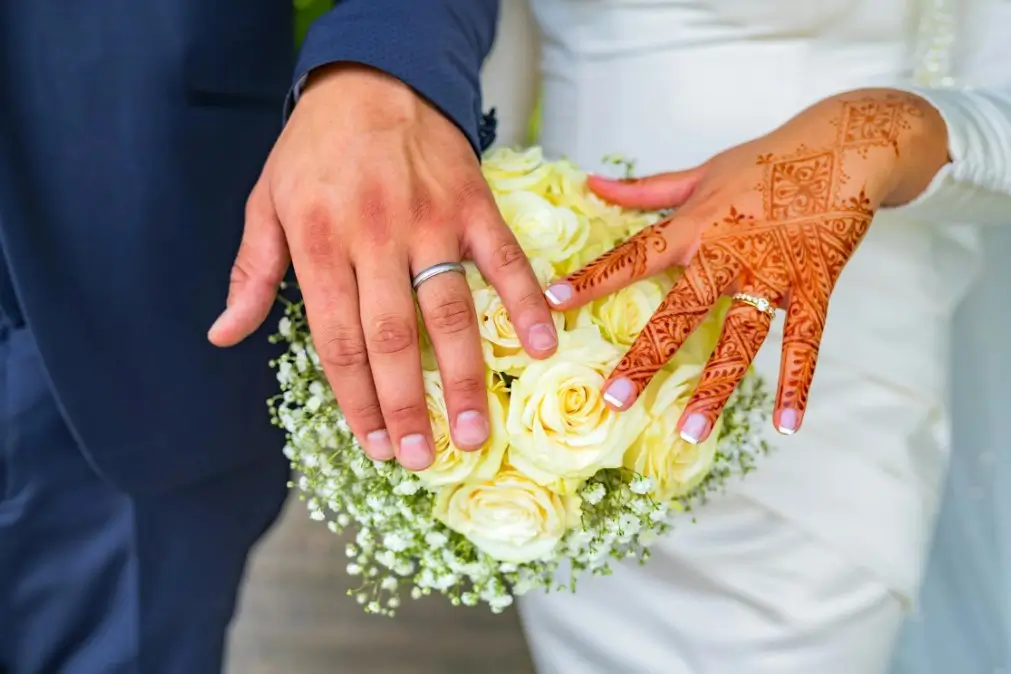
When it comes to love and lifelong commitment, few symbols are as powerful as the wedding ring. Yet, one surprisingly common question arises for couples worldwide: what hand does a wedding ring go on?
The answer isn’t as universal as you might think. Across cultures, traditions, and time, this small band of love finds its home on different hands — sometimes even different fingers! From the romantic Roman belief in the “vein of love” to modern-day customs, let’s explore the fascinating meaning behind which hand wears the wedding ring.
💎 The Origin of Wedding Rings
Wedding rings trace their history back over 5,000 years to ancient Egypt. Couples exchanged rings made from hemp, leather, or reeds as symbols of eternity — a perfect circle with no beginning or end.
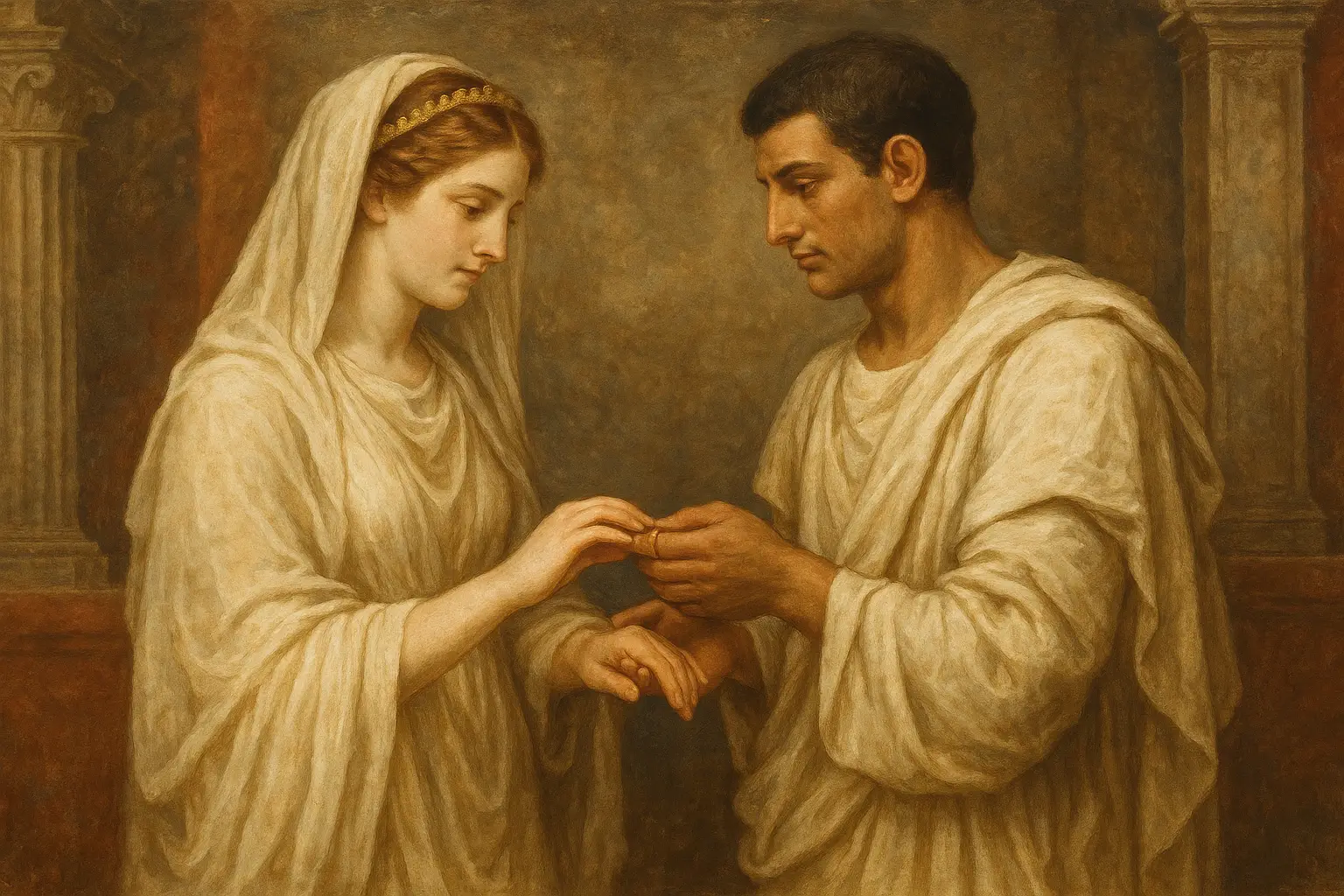
The ancient Romans later adopted this custom, coining the term “Anulus Pronubus” (ring of marriage). They also introduced the concept of the “vena amoris,” or vein of love — a vein believed to connect the fourth finger of the left hand directly to the heart.
This romantic notion shaped centuries of wedding customs — and still influences the hand we choose for our rings today.
💍 What Hand Does a Wedding Ring Go On Traditionally?
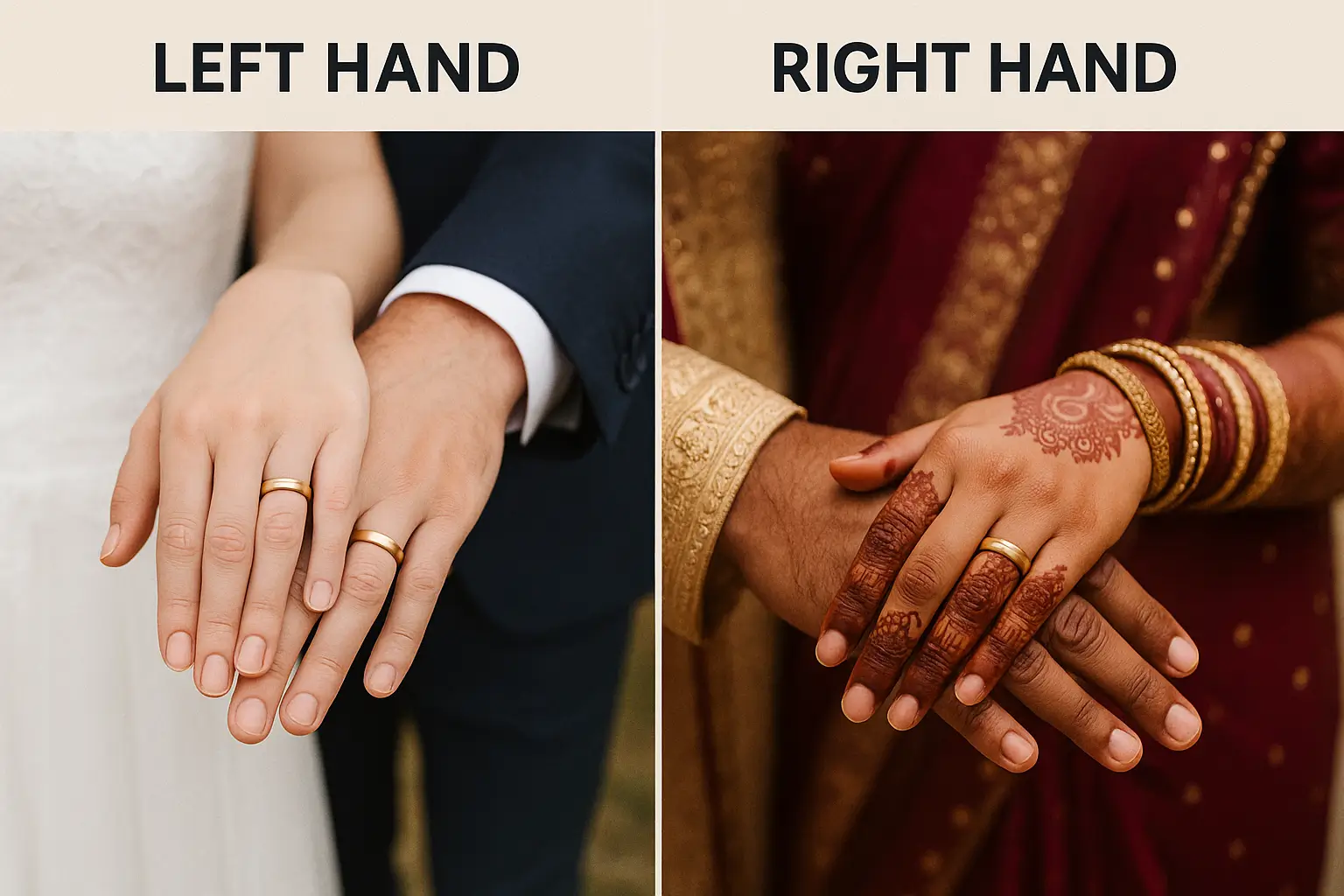
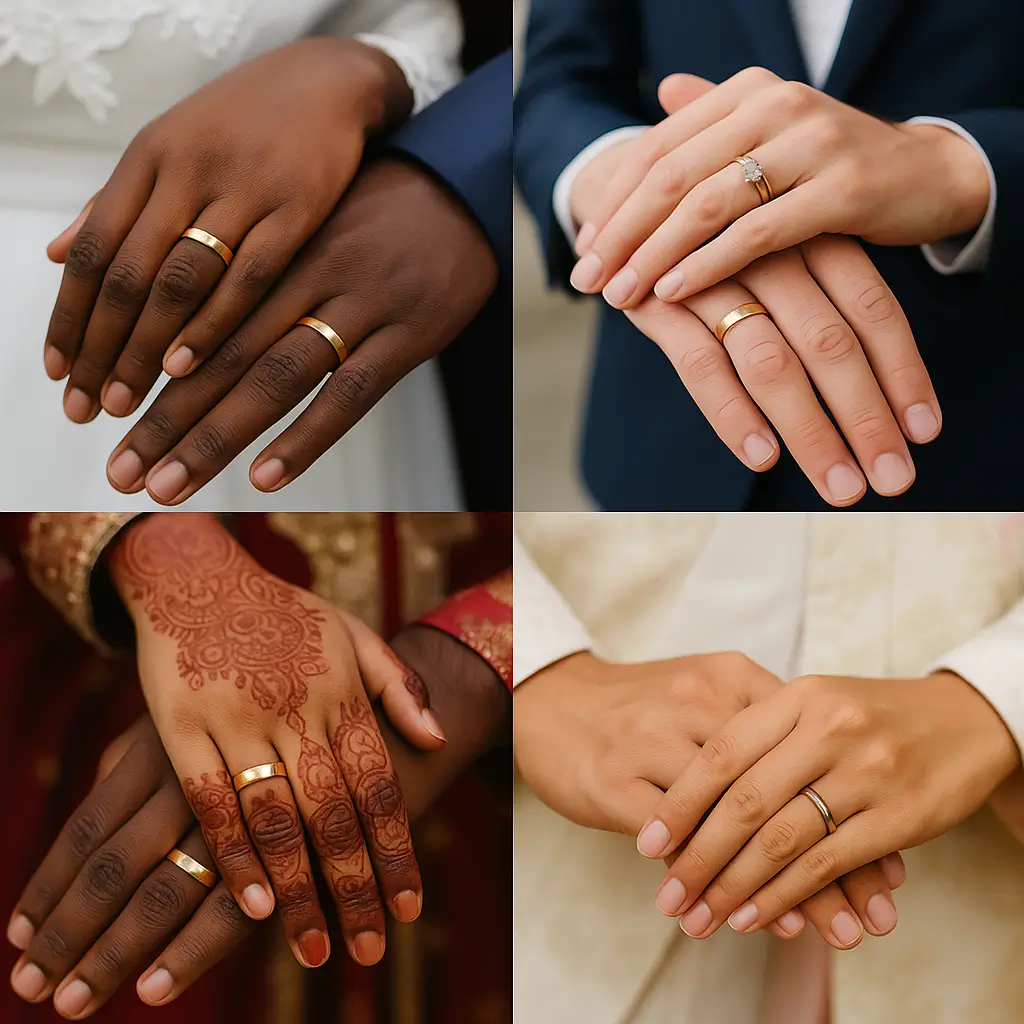
Traditionally, in Western cultures, wedding rings are worn on the fourth finger of the left hand — commonly called the ring finger. This practice symbolizes love’s direct connection to the heart.
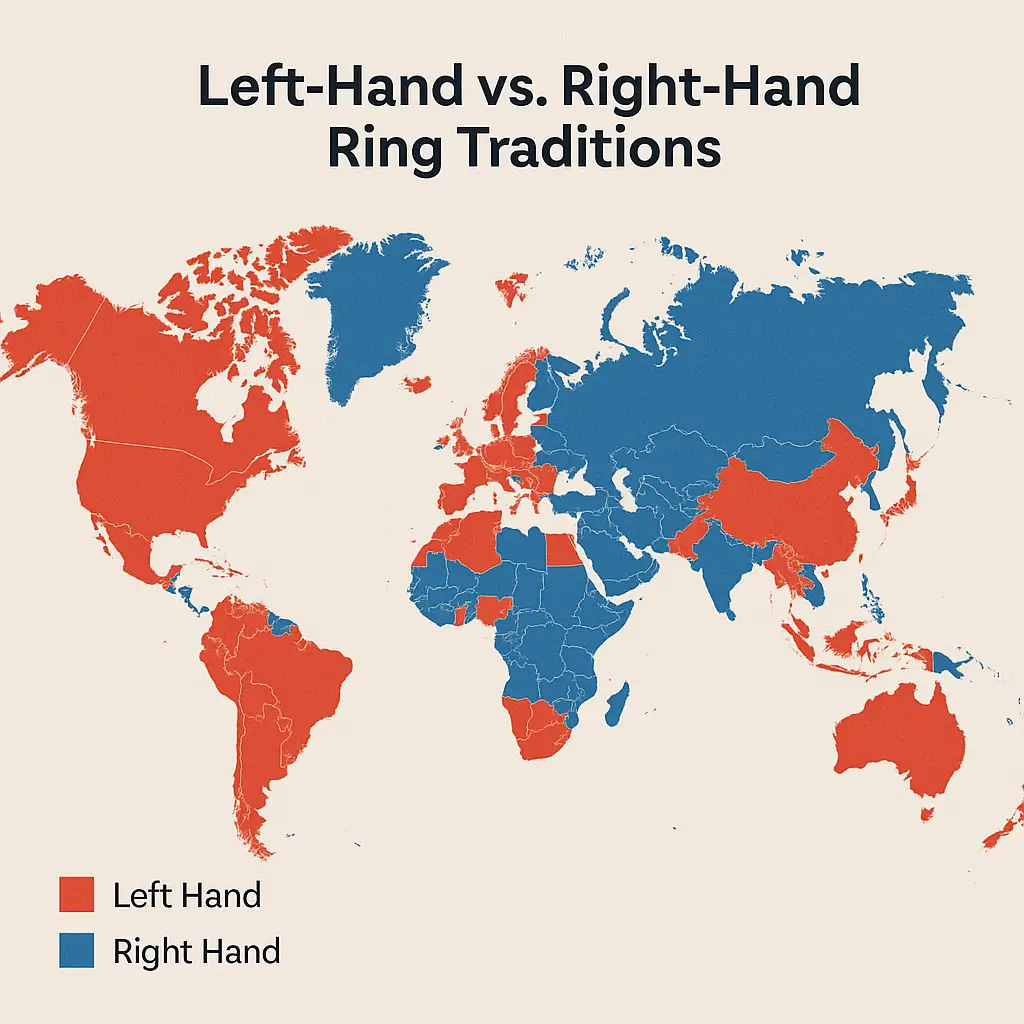
However, traditions differ widely across the world. In Eastern Europe, South America, and parts of Asia, it’s the right hand that signifies marital commitment.
There’s no strict rule — rather, it’s a beautiful tapestry of love expressed through cultural meaning.
❤️ Why the Left Hand Became So Popular
The belief in the vena amoris is largely responsible for the left-hand tradition. Though modern anatomy disproves a single “love vein,” the symbolism endures.
💡 Fun Fact:
The term “ring finger” originated from this very idea. Ancient cultures — including Romans and Egyptians — believed that wearing the ring on this hand kept the heart connected to eternal love.
Moreover, the left hand is often associated with:
- Emotional symbolism (heart side)
- Personal significance (non-dominant hand protects the ring)
- Western marriage rituals (inspired by Christian and Roman customs)
💫 Countries Where Wedding Rings Are Worn on the Right Hand
Many countries wear wedding rings on the right hand, and each has its own story behind it.
| Country | Hand Used | Reason |
|---|---|---|
| Germany | Right | Symbol of loyalty and faith |
| Russia | Right | Orthodox Church tradition |
| India | Right | Left hand once considered inauspicious |
| Norway | Right | Traditional and cultural preference |
| Greece | Right | Religious symbolism |
| Spain | Right | Historical Catholic tradition |
| Venezuela | Right | Seen as more “active” and spiritual hand |
In these countries, the right hand symbolizes strength, action, and faith, making it a fitting choice for the ring of commitment.
💞 The Left-Hand Wedding Ring Tradition
In countries like the United States, Canada, UK, France, Italy, and Australia, the left hand remains the standard choice for wearing wedding rings.
Why? Because:
- The left hand connects metaphorically to the heart.
- It’s more comfortable for right-handed people.
- The tradition has been reinforced through Western pop culture, media, and bridal customs.
In some cultures, the engagement ring starts on the left hand, then moves to the right after the wedding — or vice versa. The movement itself symbolizes the transition from promise to union.
🌍 Cultural Variations Around the World
The answer to “what hand does a wedding ring go on” reveals fascinating cultural diversity:
- Japan & China: Western influence dominates, but personal choice varies.
- India: Right hand preferred traditionally, but left-hand usage is rising.
- Brazil: Engagement ring on right hand; wedding ring on left after ceremony.
- Middle East: Customs differ; men often wear no ring due to Islamic practice, while women may wear it on either hand.
- South Africa: Left-hand tradition, symbolizing unity through love.
- Scandinavia: Engagement rings are often worn by both genders on the left, then kept on the right after marriage.
💍 Engagement Ring vs. Wedding Ring: What’s the Difference?
Though often used interchangeably, these two rings hold distinct meanings.
| Aspect | Engagement Ring | Wedding Ring |
|---|---|---|
| Purpose | Symbolizes promise or proposal | Symbolizes marriage or union |
| Timing | Given during engagement | Exchanged during the ceremony |
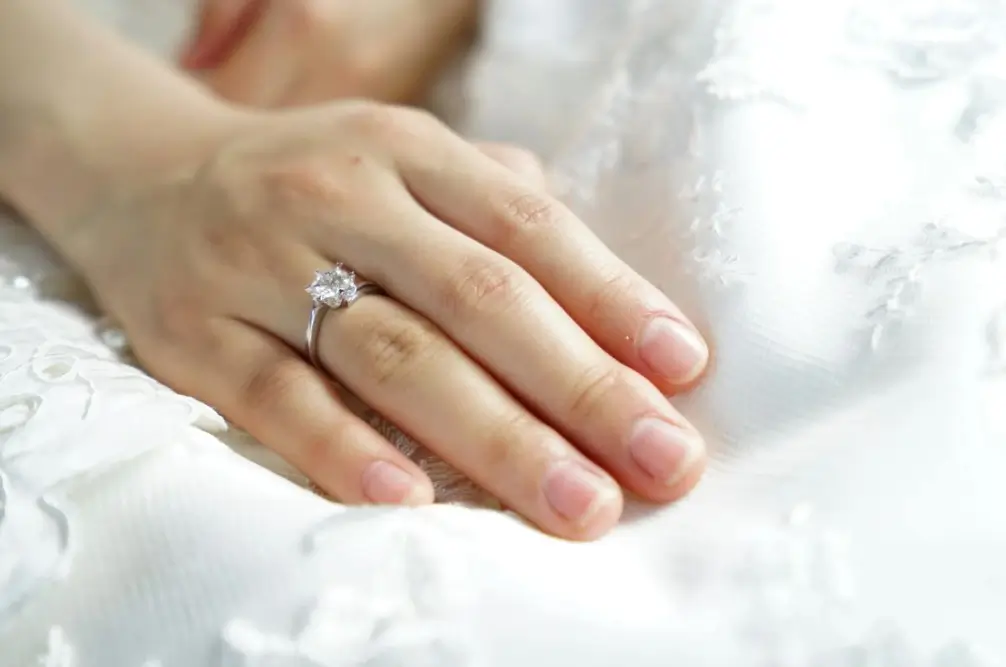
| Design | Often features gemstones (like diamonds) | Simpler band style |
| Worn On | Usually left hand, ring finger | Same finger after wedding |
Some people choose to stack both rings on the same finger, while others wear them separately for comfort and symbolism.
💗 Symbolism: Why the Ring Finger Matters
Beyond mere tradition, the ring finger (the fourth finger) carries profound symbolism:
- Eternal Circle: The round shape represents infinity and unending love.
- Connection to the Heart: A universal metaphor of emotional closeness.
- Sacred Bond: In many spiritual traditions, fingers represent energies — the fourth finger aligns with the heart chakra in some belief systems.
So whether you wear it left or right, the meaning remains the same: a promise of eternal love.
💍 Modern Trends: Do Both Partners Wear Wedding Rings?
In earlier times, wedding rings were primarily worn by women. But today, equality and modern love have transformed that.
Both partners now often exchange rings, symbolizing mutual respect and unity.
Men’s wedding bands are rising in popularity, with diverse materials like titanium, tungsten, or wood inlays.
💡 Modern Trend Insight:
Some couples even design customized matching rings or tattooed bands — a lasting, symbolic expression of love.
💍 How to Choose the Right Hand for You
Ultimately, the choice of which hand to wear your wedding ring on is personal.
Here’s how to decide:
💡 Ask Yourself:
- What does your culture or religion signify?
- Which hand feels more natural or comfortable?
- Does your engagement ring placement matter?
- Do you prefer following tradition or personal symbolism?
There’s no wrong answer — what matters is what feels meaningful to you.
As love evolves, so do traditions. Your ring, your rules. ❤️
❓ Frequently Asked Questions (FAQ)
1. What hand does a wedding ring go on for women?
Traditionally, women wear it on the left hand, ring finger — though it varies by culture.
2. Do men wear wedding rings on the left or right hand?
In Western cultures, men wear it on the left hand, while in Eastern Europe and India, the right hand is common.
3. Is there a correct side for the wedding ring?
No. It depends on personal preference, religion, and cultural background.
4. Can I wear my engagement ring and wedding ring together?
Yes! Many brides stack them on the same finger or move the engagement ring to the right hand after the wedding.
5. Why is the fourth finger chosen for the wedding ring?
It’s believed to be connected to the heart by the “vena amoris,” symbolizing eternal love.
💬 Conclusion: The True Meaning Behind the Ring
Whether worn on the left or the right, the wedding ring’s power lies not in where it sits — but in what it stands for.
This small circle of love represents commitment, connection, and continuity — across time, tradition, and culture.
So the next time you wonder “what hand does a wedding ring go on?” remember: the most important place is not the hand, but the heart behind it. ❤️