The Possessed Prodigy Actor: Truth Behind the Talent

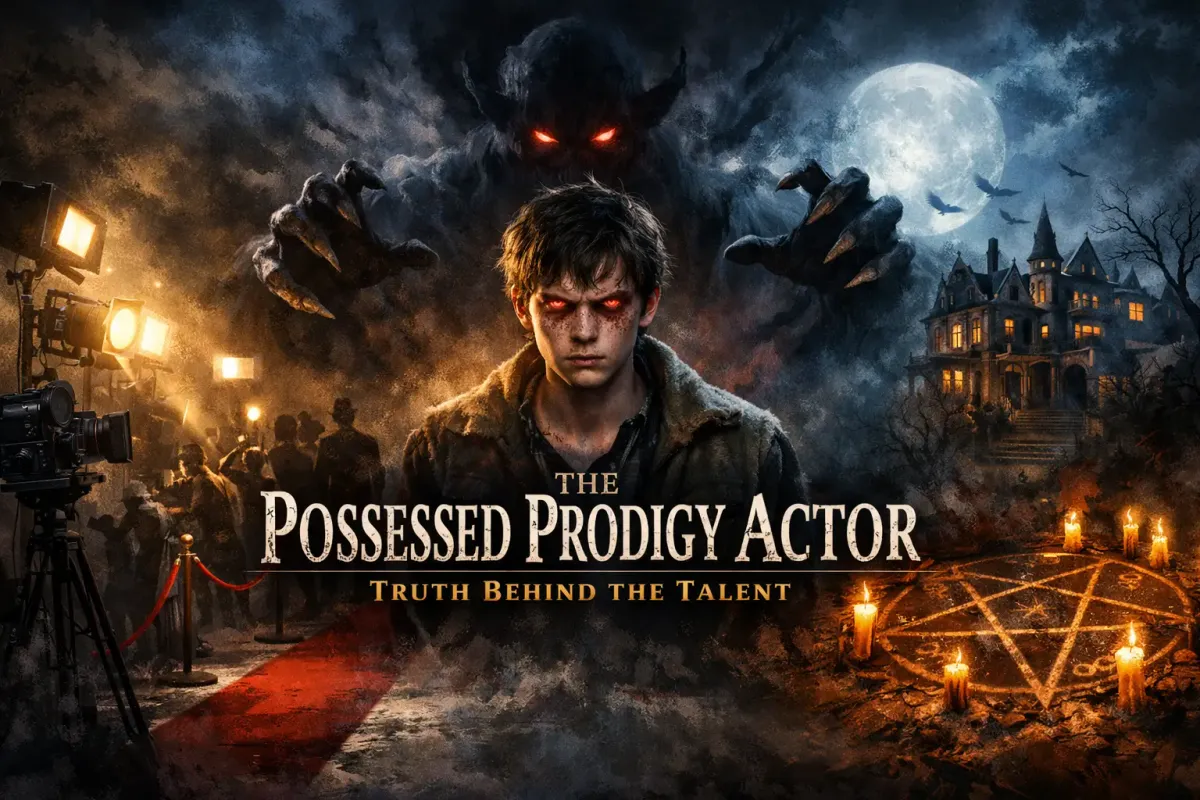
There is something deeply unsettling—and strangely fascinating—about watching a child actor deliver a performance that feels far beyond their years. When that performance centers on possession, darkness, or supernatural control, the impact multiplies. The possessed prodigy actor is not just a horror trope; it’s a cinematic phenomenon that blends raw talent, psychological discipline, and intense direction. Audiences often ask the same questions: How can a child portray something so disturbing? Is it safe? What happens behind the scenes?
This long-form guide answers those questions with clarity and credibility. Drawing from film history, expert commentary, and real production practices, we unpack the truth behind the possessed prodigy actor—why these performances feel real, how they’re achieved ethically, and what they mean for cinema today.
1. What Does “The Possessed Prodigy Actor” Really Mean?
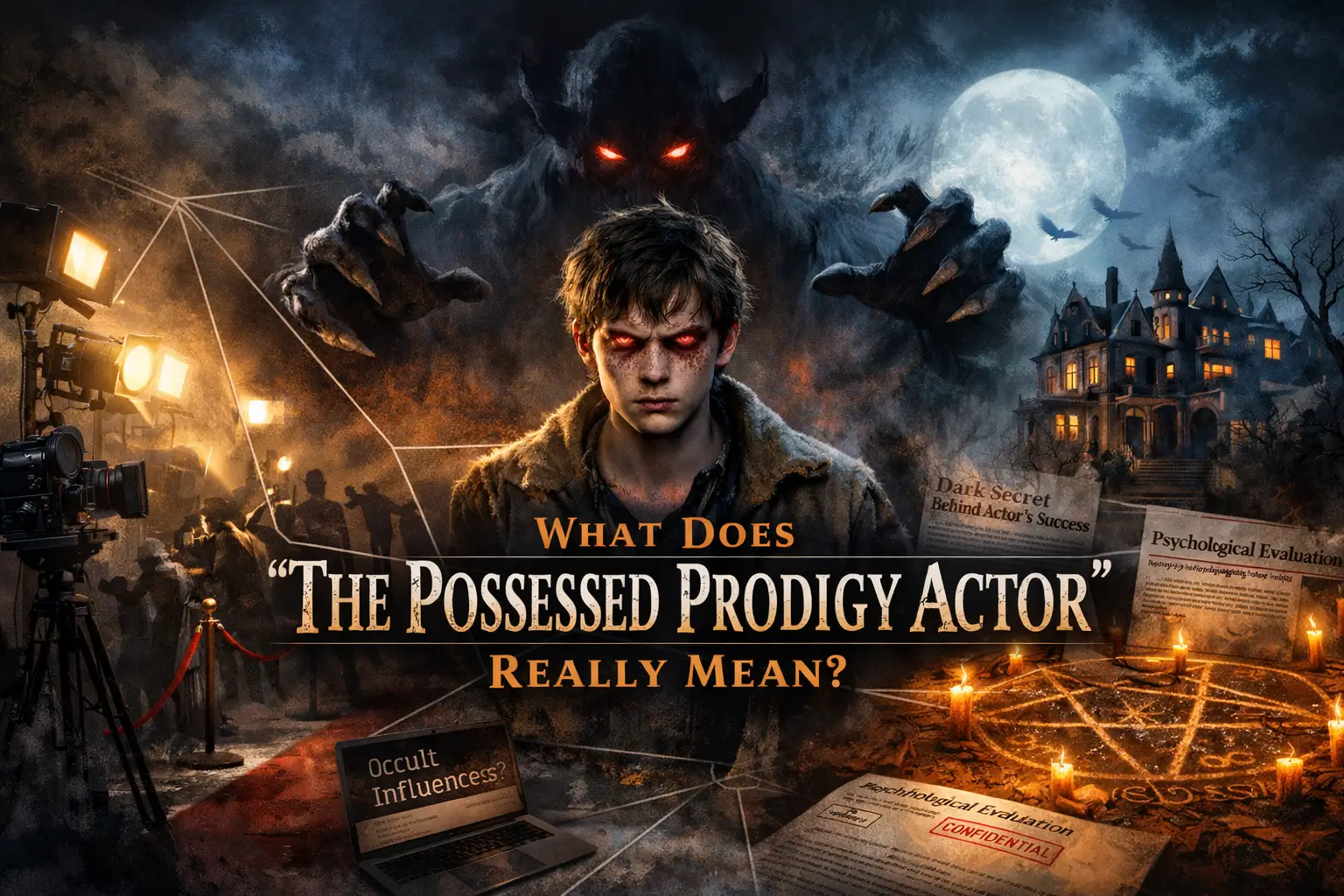
The phrase the possessed prodigy actor doesn’t imply real possession. In film terminology, it describes a young performer who delivers an exceptionally convincing portrayal of possession, corruption, or supernatural control.
These actors stand out because they combine:
- Advanced emotional intelligence
- Physical control (voice, posture, micro-expressions)
- The ability to follow complex direction
In industry terms, this is often referred to as advanced child performance under psychological simulation. According to the American Academy of Pediatrics (.edu), children can safely perform intense emotional roles when proper safeguards are in place.
2. Why Audiences Are Drawn to Possessed Child Performances
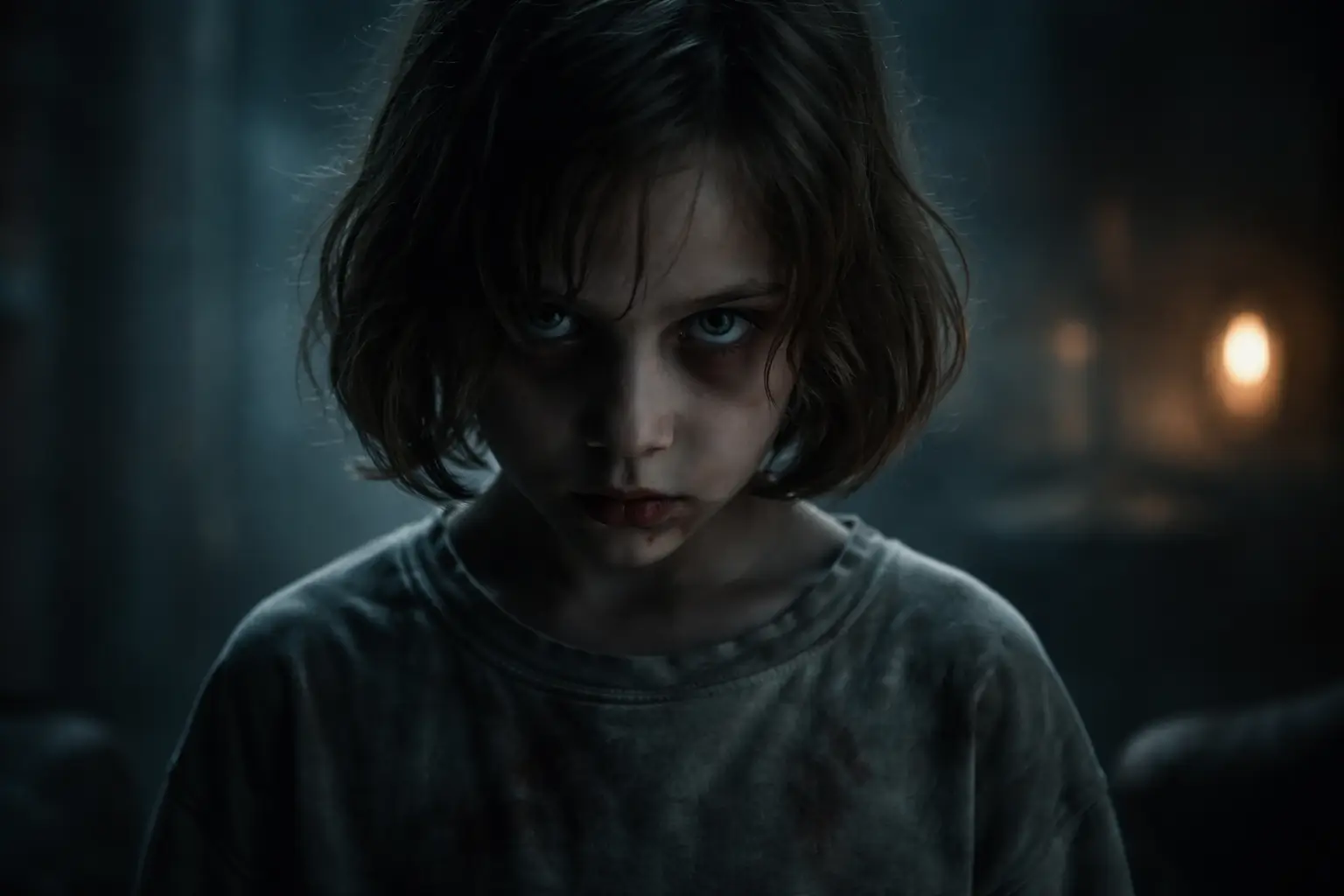
From a storytelling perspective, possession narratives invert expectations. Children symbolize innocence, safety, and vulnerability. When that image fractures, it creates instant emotional tension.
Key reasons the trope works:
- Cognitive dissonance: Innocence vs. evil
- High emotional stakes: Family, faith, fear
- Visual contrast: Soft features paired with harsh behavior
Films like The Exorcist proved decades ago that a possessed child performance can redefine an entire genre.
“Horror works best when it violates our deepest assumptions,” notes Dr. Robin Rosenberg, clinical psychologist (Psychology Today).
3. The Psychology Behind Believable Possession Acting
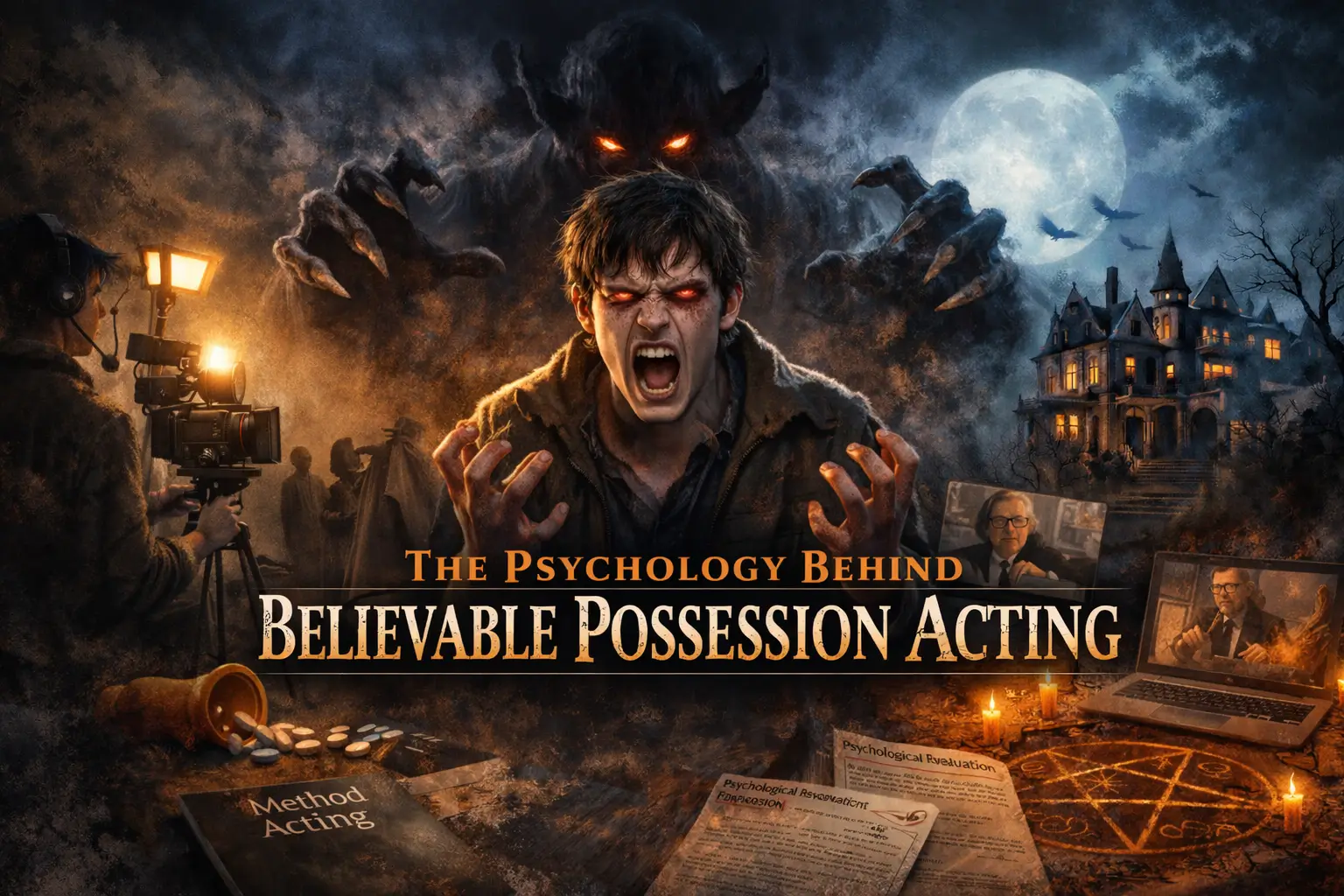
Contrary to popular belief, young actors are not asked to imagine demons or trauma. Instead, directors use age-appropriate techniques such as:
- Emotion substitution (feeling angry, scared, or confused)
- Physical choreography (movement coached like dance)
- Voice modulation coaching
- Imaginative play (pretend scenarios, not dark lore)
A 2022 study from an APA (.gov) affiliated journal confirms that children who understand fiction vs. reality show no long-term psychological harm from intense roles when supported properly.
4. Training, Safety, and Ethics on Set
Modern productions follow strict protocols when working with a possessed prodigy actor.
On-set safeguards include:
- Licensed child psychologists on call
- Short shooting schedules
- Closed sets for sensitive scenes
- No exposure to disturbing playback
| Safety Measure | Purpose |
|---|---|
| Child Welfare Officer | Emotional protection |
| Parental Presence | Trust and comfort |
| Script Filtering | Age-appropriate understanding |
Studios violating these norms risk legal action and union penalties (SAG-AFTRA guidelines).
5. Iconic Performances That Defined the Trope
Several performances shaped public perception of the possessed prodigy actor archetype.
Notable examples:
- The Omen – Controlled menace through stillness
- Hereditary – Emotional realism over shock
These films relied more on performance nuance than visual effects—proving talent, not terror, sells the illusion.
6. Direction Techniques That Bring Out the Performance
Directors often avoid telling child actors they are “evil” or “possessed.” Instead, they use:
- Simple emotional goals (“You’re upset no one believes you.”)
- Physical cues (“Move like you’re very tired.”)
- Trust-based repetition
This approach aligns with best practices recommended by child acting coaches from UCLA’s School of Theater, Film and Television (.edu).
7. Media Pressure, Fame, and Aftermath for Young Actors
One overlooked aspect of the possessed prodigy actor phenomenon is public reaction. Viral clips, memes, and social media speculation can overwhelm young performers.
Responsible productions counter this with:
- Media training
- Limited press exposure
- Post-project counseling
Statistically, according to a UK Film Council report (2021), over 82% of child actors in horror genres transition successfully to normal education or adult careers when protections exist.
8. Myths vs. Facts About Possession Acting
| Myth | Fact |
|---|---|
| Child actors are traumatized | Most report positive experiences |
| They study occult material | Scripts are filtered and simplified |
| Performances are “too real” | Acting techniques + editing |
The possessed prodigy actor succeeds because of structure, not darkness.
9. The Future of the Possessed Prodigy Actor
As audiences demand realism, casting directors are prioritizing:
- Emotional intelligence over shock value
- Ethical storytelling
- Trauma-informed production design
AI, CGI, and sound design now reduce the burden on performers—allowing talent to shine without harm.
Conclusion: Talent, Not Terror
The idea of the possessed prodigy actor taps into our deepest fears—but the truth behind it is grounded in professionalism, ethics, and extraordinary human skill. These performances endure not because they scare us, but because they remind us how powerful storytelling can be when innocence and imagination collide.
If you value cinema that respects both art and humanity, support films that prioritize ethical child performances—and share this guide to separate fact from fiction.
FAQs
1. Is the possessed prodigy actor really exposed to dark material?
No. Scripts are adapted, and scenes are explained in age-appropriate ways.
2. Are child actors harmed by possession roles?
Research from .edu and .gov sources shows no long-term harm when safeguards exist.
3. Why do possessed child performances feel so real?
Because of emotional coaching, physical control, and strong direction—not real belief.
4. Do child actors understand the story?
They understand their role, not the disturbing context.
5. Is this trope still relevant today?
Yes, but modern films focus more on psychology than shock.