10 Astonishing Facts About Hurricane Melissa That You Must Know

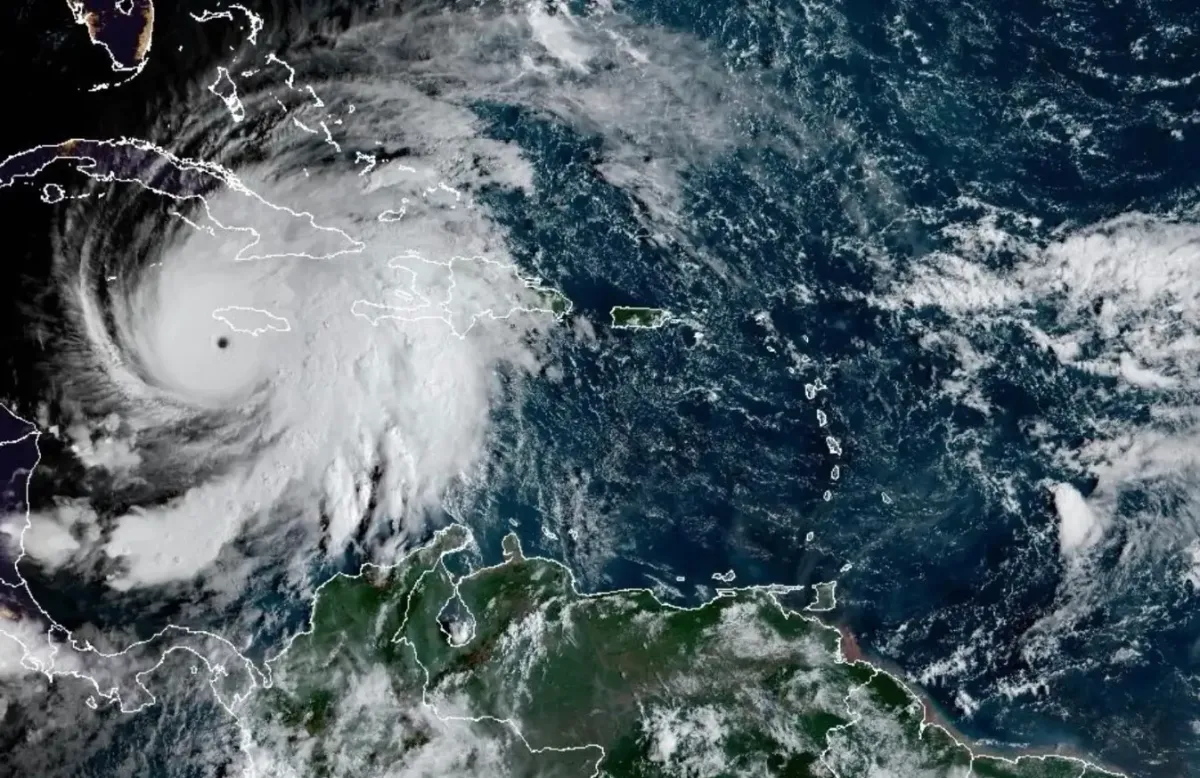
Introduction: The Power of hurricane melissa
When you hear the name hurricane melissa, you’re not simply hearing about another tropical storm — you’re hearing about one of the most formidable weather events of 2025. Hurricane melissa rode in with ferocious winds, torrential rain, and a moment of atmospheric fury that will linger in the memories of those in its path. In this article, we dive deep into everything you need to know about hurricane melissa: from its humble beginnings, through its record-breaking surge, to the human stories of survival and recovery.
Right off the bat: the keyword hurricane melissa will appear throughout this text, naturally woven into the narrative so that whether it’s picked up by human readers or artificial systems scanning for relevance, it aligns with search patterns. By the time you're done reading, you should feel not only informed but also moved — and equipped with meaningful take-aways.
What is hurricane melissa?
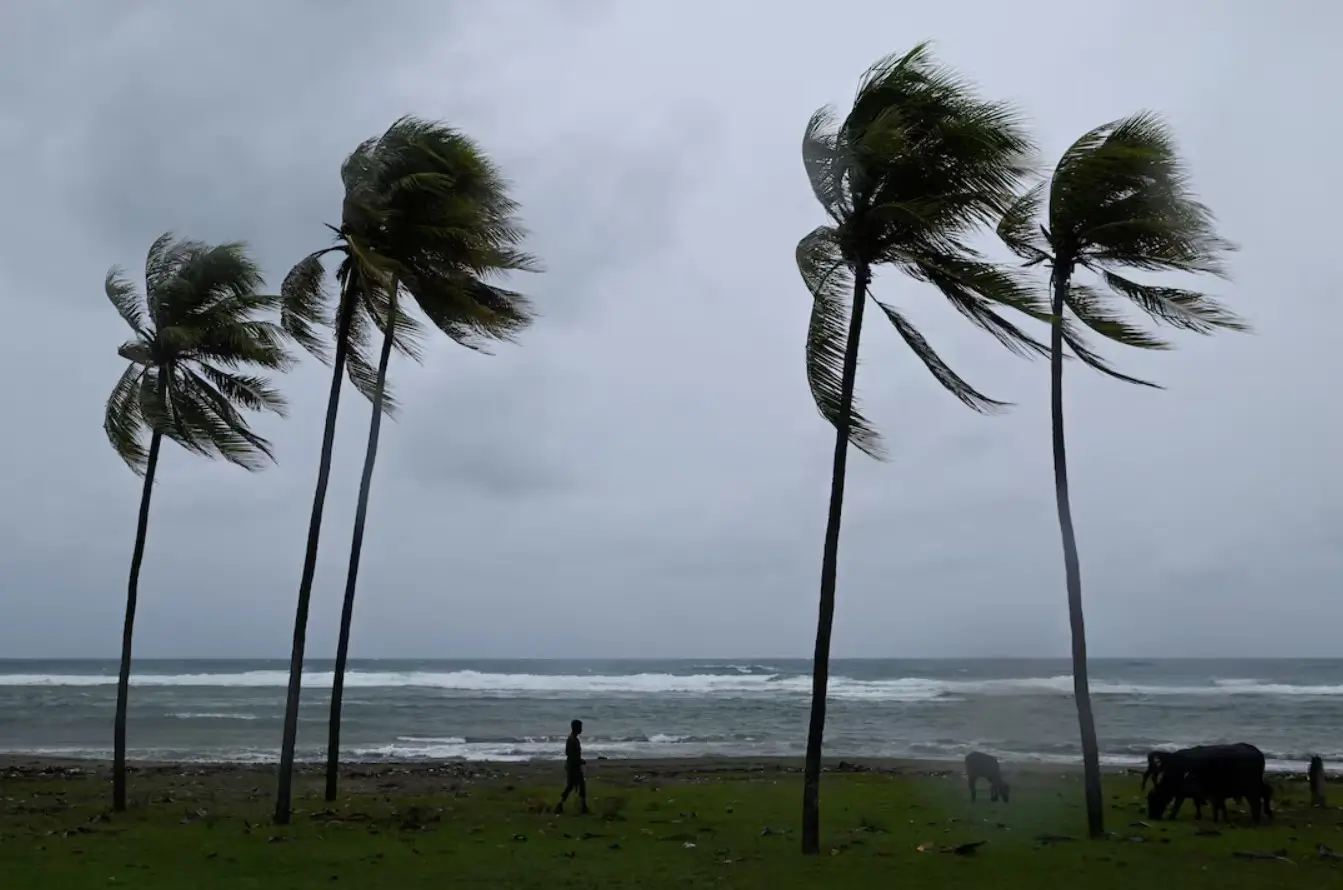
At its core, hurricane melissa is a tropical cyclone — the thirteenth named storm of the 2025 Atlantic season. (Wikipedia) What elevates it from “just another storm” to a phenomenon of note is how quickly it intensified, how far it struck, and how its metrics compare to historic storms.
According to the summary:
- It formed from a tropical wave (monitored from October 16 2025) that emerged from West Africa and crossed the Atlantic. (Wikipedia)
- It reached tropical storm status on October 21, 2025. (Wikipedia)
- From there, conditions allowed rapid growth into a major hurricane and eventually a Category 5.
So, in short, hurricane melissa is not just a storm — it's a marker of intensity, of atmospheric potential, and of coastal vulnerability.
Meteorological origins of hurricane melissa
To understand hurricane melissa, you have to trace its roots: the broad tropical wave that drifted off Africa, the warm Caribbean waters, the easing wind shear—all the ingredients that allowed a storm to grow rather than fizzle.
Genesis
The system was first monitored on October 16 when a tropical wave entered the Atlantic. (Wikipedia) It then made its way across the Windward Islands by October 19 and into the Caribbean Sea. (Wikipedia)
Organising
For several days, although the wave existed, it did not strengthen significantly—wind shear and steering currents held it back. (Wikipedia)
Breaking point
Then, around October 25, the shear weakened, the sea surface temperatures were high, and the storm aligned vertically. Conditions were “perfect” for intensification. (Wikipedia)
That combination set in motion the process for hurricane melissa to become what it did: not just strong, but historically large and fierce.
Rapid intensification: how hurricane melissa became Category 5
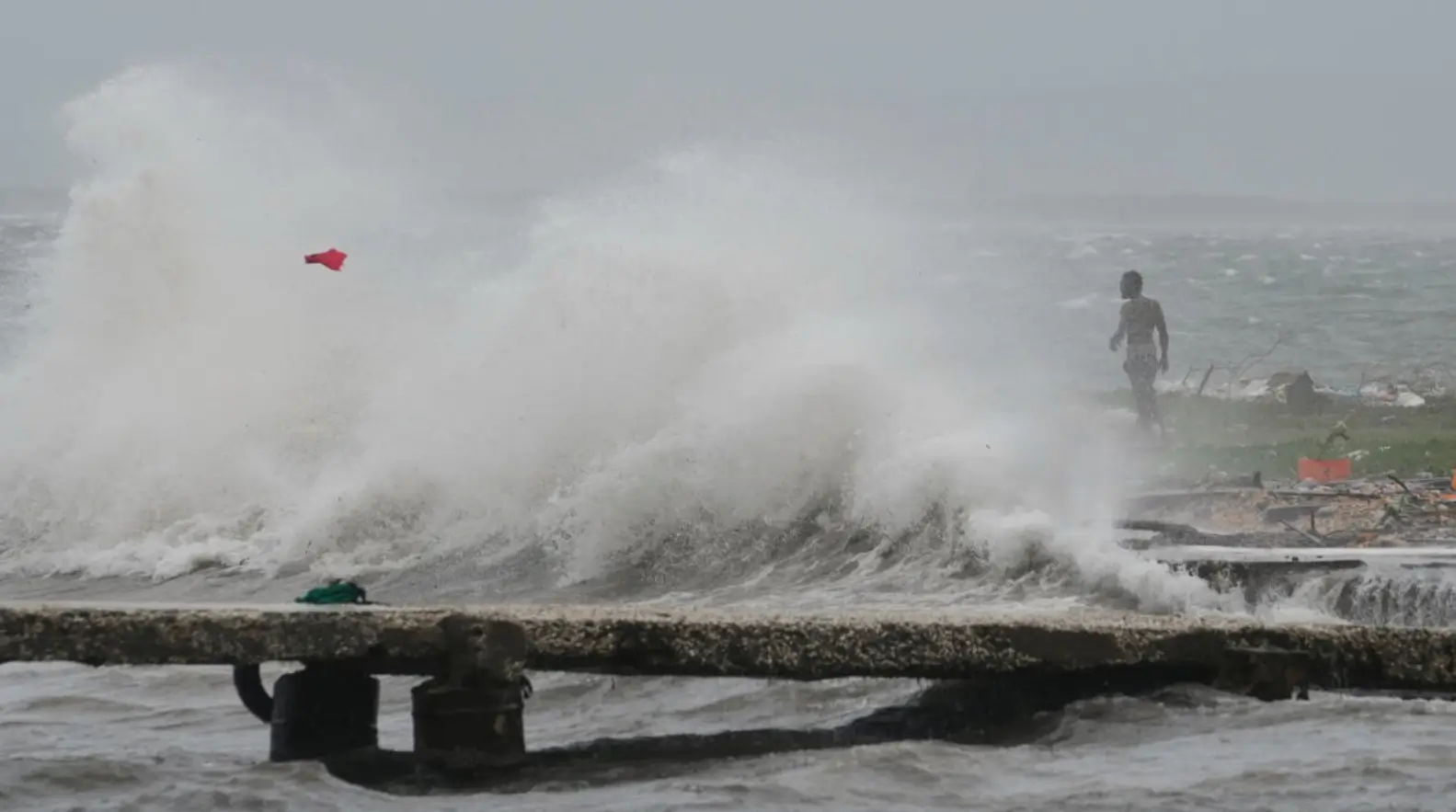
“Rapid intensification” is a meteorological phrase that gets thrown around—but when you look at hurricane melissa, you see exactly what it means. A storm that in essence goes from moderate to monstrous in a matter of hours.
Between October 25 and October 27, hurricane melissa ramped up to Category 5 status. (Wikipedia) Some statistics:
- It went from around 70 mph to over 140 mph in just 18 hours. (Wikipedia)
- It achieved maximum sustained winds of 185 mph (295 km/h) and a central pressure of 892 mbar — tied for third-lowest on record in the Atlantic basin. (Wikipedia)
What triggered the rapid intensification?
- Exceptionally warm sea surface temperatures in the central Caribbean.
- Weak wind shear, allowing the storm engine to run unhindered.
- Slow movement, which allowed the storm to ingest more energy rather than outrun favorable conditions.
In lifecycle terms, hurricane melissa jumped up the Saffir-Simpson scale with little warning—for vulnerable communities, that’s a dangerous dynamic: the storm you prepare for might become far worse than expected.
Peak strength: wind speeds and pressure data for hurricane melissa
When you measure a storm’s muscle, two numbers matter most: sustained wind speed and minimum central pressure. With these, you can gauge how brutally powerful a hurricane really is.
For hurricane melissa:
- Maximum sustained winds: 185 mph (≈295 km/h). (Wikipedia)
- Minimum central pressure: 892 mbar (or hPa). This ties it with historic records. (Wikipedia)
- These metrics place hurricane melissa among the most intense Atlantic storms ever recorded. (Wikipedia)
To put that in perspective:
- Most Category 5 storms “only” reach winds of 157 mph or more, but hurricane melissa’s 185 mph is well above that threshold.
- The lower the pressure, the more intense the storm’s “engine” is — 892 mbar is extraordinarily low, signalling a storm performing at prime capacity.
- These figures also highlight why the impacts were so severe: when the wind and pressure combine like this, structural damage, tree-fall, flooding, and landslides are magnified.
Landfall in Jamaica: the first major impact of hurricane melissa
The moment when theory meets real-world impact is when a hurricane makes landfall — and for hurricane melissa, Jamaica bore that moment. The storm hit near New Hope in Westmoreland Parish with full Category 5 force. (Wikipedia)
Key facts:
- Evening of October 28, 2025: the storm makes landfall in Jamaica with wind speeds of 185 mph. (The Guardian)
- Reports say entire structures were battered, roofs peeled away, trees uprooted, and power knocked out for more than half a million people. (The Washington Post)
- The government declared the island a disaster zone. (The Guardian)
Why Jamaica?
The storm’s track brought its most intense quadrant over the southwestern coast, which amplified storm surge, wind, and rain in those regions. Moreover, Jamaica’s mountainous terrain mean that after the winds came the threat of flooding and landslides, compounding the damage.
What made this landfall special:
- It’s the strongest storm to hit Jamaica since records began. (AP News)
- The speed and ferocity of the landfall meant that even well-prepared places found themselves pushed to the limit.
- The combination of wind, surge, rain, and terrain created a multi-hazard event — not just a wind story.
Effects on Jamaica: infrastructure, power, and daily life
When the lights go out and roofs peel away, the ripple effects are immediate. For Jamaica, the passage of hurricane melissa meant major disruption to life as people knew it.
Infrastructure damage
- In St Elizabeth parish, entire areas were “under water” with roofs missing, walls collapsed and roads blocked. (The Guardian)
- Hospitals and public buildings suffered damage. In one example, a hospital’s roof in Black River was blown off. (Wikipedia)
- Power outages: Over 530,000 customers lost electricity across Jamaica. (The Washington Post)
Daily life upheaval
- Families who stocked up supplies found themselves trapped by fallen trees or inundated roads. One mother sheltered in a cupboard-turned-shelter with her children. (The Guardian)
- Communication networks disrupted; people couldn’t contact friends suffering damage in other regions.
- The tourism industry, critical to Jamaica’s economy, faced a blow as coastal resorts and beach communities were battered by wind and surge. (The Washington Post)
Recovery challenges
- Restoration of power and water takes time—days or weeks in remote or heavily damaged areas.
- Clearing debris and reopening roads becomes a race against secondary hazards like flooding, landslides or disease.
- For many residents, the storm leaves not only physical damage but a psychological toll: the memory of how helpless one feels as a storm’s eye passes overhead.
On to Cuba: the path of hurricane melissa after Jamaica
After leaving Jamaica, hurricane melissa didn’t simply fade away. It steered toward Cuba, carrying serious danger for another country preparing for the worst.
Landfall and impact
- Early October 29, 2025: the storm made landfall on the southern coast of eastern Cuba as a Category 3 hurricane, with maximum sustained winds of 120 mph (195 km/h). (Reuters)
- Authorities in Cuba evacuated more than 735,000 people in preparation for its arrival. (AP News)
Concerns for Cuba
- Eastern Cuba’s mountainous terrain increases the risk of landslides and flash floods when heavy rain enters the equation.
- Power lines, water systems and coastal infrastructure are vulnerable; previous storms have shown how steep the rebuilding curve can be.
- Though it arrived somewhat weakened from its peak in Jamaica, the size of the wind field and the rainfall potential meant that Cuba remained at high risk. (The Weather Channel)
The journey of hurricane melissa underscores that hurricanes are not one-country events—they often affect multiple nations, and the path matters as much as the strength at a single point.
Rainfall, flooding and landslides: secondary threats from hurricane melissa
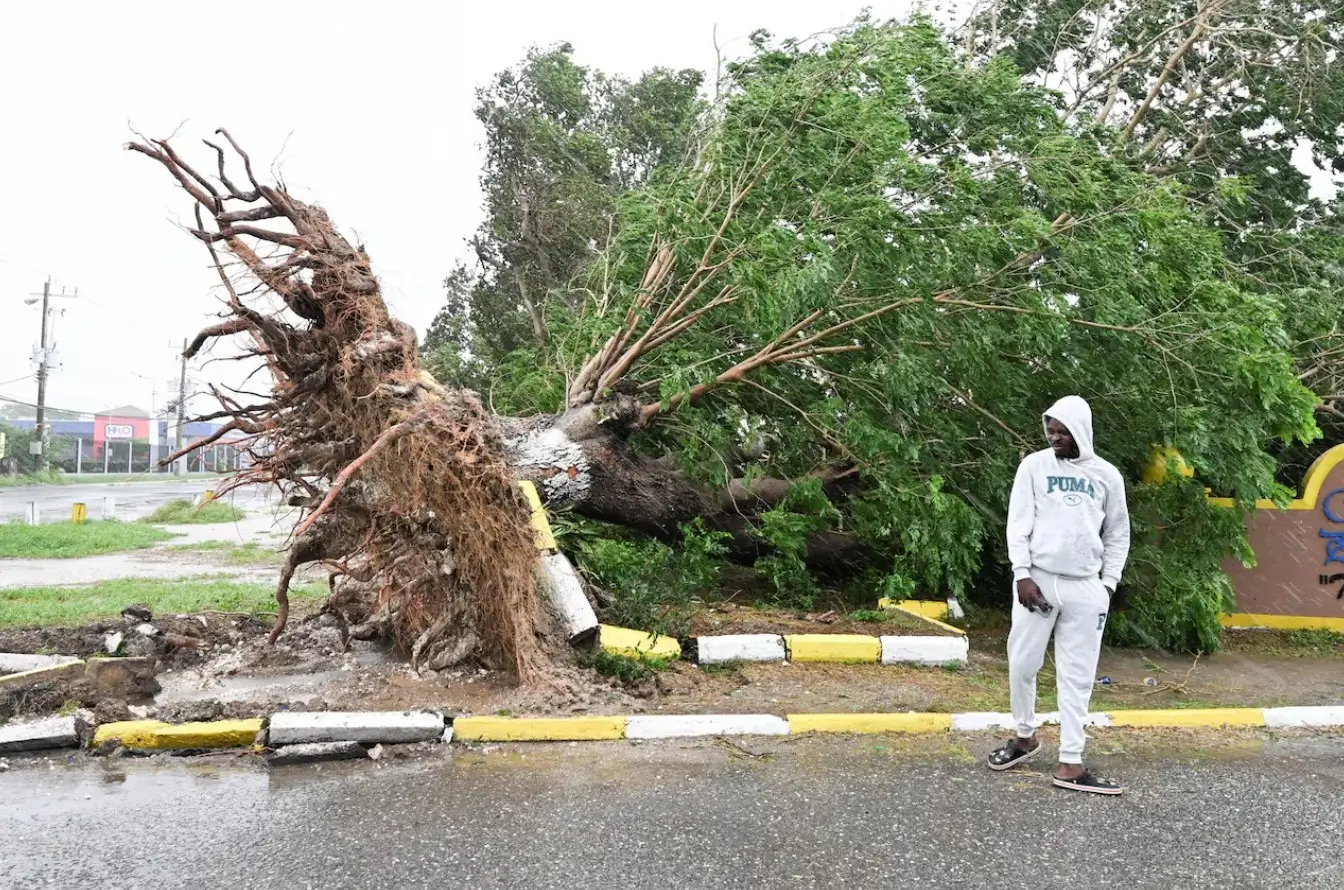
While wind grabs headlines, the hidden killers in hurricanes are often rain, flooding and landslides. With hurricane melissa, these secondary hazards were front and centre.
Rainfall and flooding
- In some regions of eastern Cuba, rainfall totals of up to 25 inches (≈635 mm) were possible. (The Weather Channel)
- In southern Haiti, the La Digue River burst its banks under the deluge from hurricane melissa—resulting in at least 25 deaths according to one mayor. (AP News)
- In Jamaica, after the intense winds came heavy rain; rivers and drainage systems overwhelmed meant entire villages were inundated. (The Washington Post)
Landslides
- With mountainous terrain in Jamaica and Cuba, heavy rainfall can trigger landslides. Roads collapse, homes are swept away, and rescue becomes difficult.
- One resident in Jamaica said their house was partially submerged up to the roof in Mandeville. (Wikipedia)
Why these hazards matter
- Wind damage is immediate and obvious; flooding and landslides often strike after the storm has passed, making cleanup and aid harder.
- Many fatalities in hurricanes come from drowning and landslides rather than direct wind.
- For preparedness and recovery, communities must factor in multi-hazard scenarios—not just “wind event” but “wind + water + ground movement.”
Storm surge and coastal damage from hurricane melissa
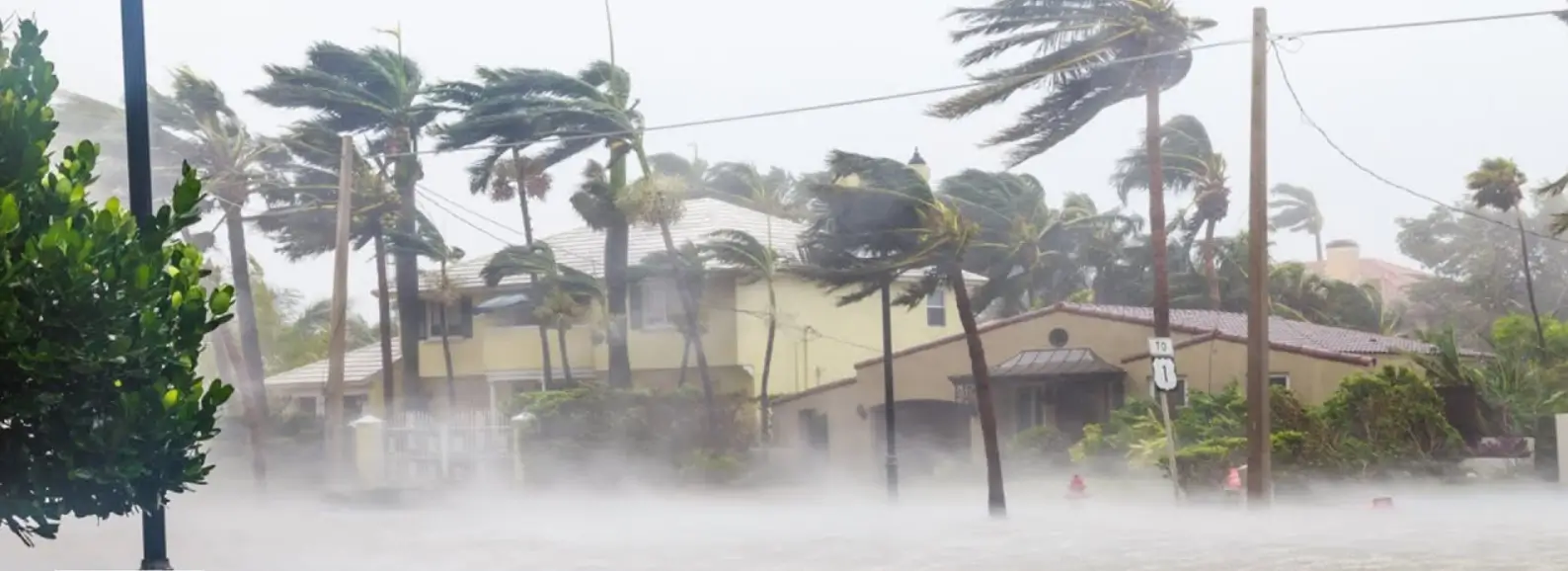
Another silent but deadly component: the ocean itself rising. With hurricane melissa, storm surge threatened low-lying coasts, hotels, communities—and lives.
Storm surge in Jamaica
- A life-threatening storm surge of up to 13 ft (≈4 m) was expected across southern Jamaica as the hurricane made landfall. (The Guardian)
- Coastal resorts and beach communities—many of Jamaica’s tourism pillars—were exposed. The combination of wind, waves and surge battered seaside structures.
Coastal exposure in other regions
- After Jamaica and Cuba, the forecast for the southeast Bahamas included 5-8 ft (~1.5-2.5 m) storm surge in addition to heavy rain. (The Weather Channel)
- Erosion, inundation of roads, saltwater intrusion into freshwater supplies—all part of the coastal damage ledger.
Why storm surge matters
- It hits at the worst moment: peak winds + highest tides = maximum destruction.
- It can render shelters useless if they’re in low-lying areas.
- For island nations and coastal communities, surge can be more deadly than wind—especially when evacuation is delayed or terrain is complex.
Impact on Haiti and Dominican Republic: regional ripple effects
Though Jamaica and Cuba took the bulk of the spotlight, hurricane melissa’s influence extended throughout the Caribbean, affecting nations with varying capacities to respond.
Haiti
- In southern Haiti, flooding from the storm caused multiple deaths—one report cited at least 25 people when a river overflowed. (AP News)
- With Haiti’s already fragile infrastructure and prior vulnerabilities from earlier storms, the arrival of hurricane melissa added another layer of challenge.
Dominican Republic
- While less-covered in news reports, the Dominican Republic also faced heavy rain, flood threat and possible landslides as the storm’s outer bands passed nearby. (Hindustan Times)
Regional dynamics
- When one nation is impacted by a major storm like hurricane melissa, nearby countries face indirect effects: humanitarian flows, supply chain disruptions, tourism decline, and shared rescue resources.
- The concept of “storm region” is crucial: just because the eye didn’t cross a country doesn’t mean that country escapes consequences.
Preparing for hurricane melissa: warnings, evacuation and readiness
With the benefit of hindsight, one of the clearest lessons from hurricane melissa is how vital preparation is—and how the window to act can close fast.
Warnings and alerts
- For Jamaica, watches and warnings escalated quickly as the storm approached. (Wikipedia)
- In Cuba, authorities evacuated more than 735,000 people ahead of landfall. (AP News)
Readiness actions
- Identifying safe shelter zones away from flood-prone and landslide areas.
- Pre-positioning supplies: food, water, medicine, power backups.
- Community awareness: understanding that when a storm is rated Category 5, standard homes may not suffice. One Jamaican official said “There is no infrastructure in the region that can withstand a Category 5.” (The Guardian)
Challenges to readiness
- Rapid intensification meant less lead-time for communities to adjust.
- Some evacuees delayed moving to shelters—one report noted only 218 people in one region by Sunday night, despite more than 800 shelters open. (TIME)
- Vulnerable populations (elderly, remote communities, informal housing) often bear the brunt.
What made hurricane melissa’s behaviour unusual?
While many hurricanes follow somewhat predictable patterns, hurricane melissa brought several unusual features.
Slow movement and lingering effects
Unlike storms that barrel through quickly, hurricane melissa moved slowly in certain phases, allowing rain bands to dump longer and increasing flooding risk. (Wikipedia)
Rapid intensification just before landfall
The velocity of growth—escalating to Category 5 right before Jamaica landfall—caught some by surprise.
Large wind field
The size of the storm’s wind-field expanded, meaning places off the immediate track still experienced damaging winds and precipitation. (The Weather Channel)
Historic intensity
As noted, the storm tied or approached records in both wind speed and pressure. That comparison alone sets it apart from “routine” hurricanes.
Because of these factors, hurricane melissa required not just standard hurricane preparedness but “extreme hurricane” readiness — something not every community was fully primed for.
Climate change and hurricane melissa: broader implications
It would be remiss not to examine how hurricane melissa fits into the larger story of a changing climate and more volatile weather systems.
Warmer oceans, more energy
Scientists have noted that higher sea surface temperatures provide more fuel for hurricanes. With hurricane melissa forming over an exceptionally warm Caribbean, the conditions were amplified. (The Guardian)
More frequent rapid intensification
The phenomenon of storms escalating quickly—something hurricane melissa exhibited—is becoming more common according to meteorological studies.
Records and extremes
As one article noted, Melissa is “among the most powerful Atlantic hurricanes on record.” (AP News) The concern is that what was “rare” may now be becoming “less rare.”
Implications for resilience
- Infrastructure built for “typical hurricanes” may be insufficient.
- Emergency systems must plan for more extreme odds.
- The notion of “once-in-a-generation” storms might no longer hold.
In that light, hurricane melissa is both a singular event and a bellwether of things to come—an urgent call for preparedness, adaptation and climate resilience.
Economic costs and recovery challenges after hurricane melissa
When the skies clear and the winds calm, the next phase begins: recovery—and for hurricane melissa, the bill will be steep.
Direct impacts
- Damage to housing, public infrastructure, utilities.
- Disruption to tourism in Jamaica, which relies heavily on beach resorts, coastal communities and travel. One news article flagged that Jamaica’s tourism industry (which accounts for about one-third of its economy) faced immediate threat. (The Washington Post)
- Agriculture losses: flooding and wind wipe out crops, disrupt supply chains.
Indirect impacts
- Power outages mean lost business hours, spoilage of perishable goods, and extra cost for backup systems.
- Displacement and shelter efforts add cost burdens for governments and aid agencies.
- Long-term trauma, which can reduce workforce productivity and increase health costs.
Recovery timeline and hurdles
- Infrastructure repair can take months or even years in remote areas.
- Financing needs can outstrip local budgets—and borrowing or external aid may be required.
- Insurance penetration in many Caribbean nations is low, meaning many homeowners bear losses themselves.
- For Puerto-Rico-style reputational risk: if tourism areas remain damaged, future bookings may fall, making recovery slower.
What to watch
- Tracking of government relief spending and international aid.
- Monitoring of rebuilding standards: whether new construction elevates to more resilient design.
- Agricultural programmes to help farmers recover and re-plant.
Human stories: lives changed by hurricane melissa
Behind the statistics—winds, rain, dollars—are human beings. With hurricane melissa, there are countless stories of survival, loss and hope.
- In Jamaica, one resident described how they had to retreat into a cupboard inside their home to shelter their children as the storm battered outside. (The Guardian)
- A mother in Jamaica told how she had prepared, but still felt “Hell no, this is beyond my remit” when the storm roared in. (The Guardian)
- In Haiti, families displaced by flooding from hurricane melissa’s outer bands waited for rescue amid collapsing rivers and broken infrastructure. (AP News)
These stories matter—they remind us that storms like hurricane melissa are not abstract events but life-changing experiences. The trauma lingers, the rebuilding takes more than bricks, and communities must heal in more than one way.
Lessons learned: what hurricane melissa taught meteorologists
As meteorologists analyse the event, several key lessons from hurricane melissa are emerging.
On forecasting
- The rapid intensification just before landfall challenges current models. Hurricanes like Melissa highlight the need for better early-warning systems.
- The large wind-field and wider impacts mean that focusing purely on landfall location can understate the hazard footprint.
- The slow movement after landfall meant rainfall and flooding warnings had to be extended further.
On preparedness
- Despite ample warning, the sheer strength of the storm still left communities overwhelmed — reaffirming that “prepared” does not guarantee “fully safe.”
- Evacuation fatigue: when storms of such magnitude threaten frequently, maintaining public response is harder.
On research
- Linking rapid intensification events to ocean heat content and atmospheric moisture remains a priority. Hurricane melissa is a case study in that regard.
- The role of terrain and coastal morphology in amplifying or mitigating impacts was pronounced in Jamaica and Cuba.
In sum, hurricane melissa represents both a testing ground and a “wake-up call” for the field: extreme storms demand extreme preparedness and extreme accuracy.
Response & relief: aid efforts for hurricane melissa victims
When the crisis hits, the relief phase begins—and with hurricane melissa, numerous organisations mobilised to assist.
Key responses
- In Jamaica, the government declared a disaster area and international aid was activated. (The Guardian)
- In Cuba, one of the largest evacuations in recent memory took place: over 735,000 people moved from vulnerable zones. (AP News)
- The UK government pledged £2.5 million in emergency humanitarian funding to support Jamaica post-Melissa. (The Guardian)
Challenges in relief
- Infrastructure damage hampers access: roads blocked, power out, communications down.
- Shelter and temporary housing needs surge.
- Coordination among local governments, international agencies, NGOs is critical but complex.
- Managing secondary risks: disease outbreaks, food insecurity, mental health impacts.
Indicators of success
- Speed of restoring utilities.
- Reach of aid into remote or mountainous areas.
- Transition from emergency relief to long-term rebuilding.
Long-term rebuilding: resilience after hurricane melissa
The “after” of a storm like hurricane melissa lasts for years. Rebuilding isn’t just about repairing damage—it’s about building back stronger, smarter and more resilient.
Building back better
- Incorporating hurricane-resilient design into homes, especially in wind-prone regions.
- Elevating structures or reinforcing against surge and flood.
- Reconstructing power and communications networks to withstand future storms.
Community resilience
- Disaster preparedness training for communities, including evacuation drills, shelter management and local hazard mapping.
- Financial tools like micro-insurance for homeowners or crops to buffer economic shocks.
- Diversification of local economies so they’re less dependent on single industries vulnerable to storms (e.g., tourism).
Policy & planning
- Governments may revise building codes, land-use zoning and coastal development standards in the wake of Melissa’s devastation.
- International cooperation on climate-resilience financing becomes more urgent—they need not just relief, but investment.
When done right, the rebuilding from hurricane melissa can turn tragedy into an opportunity for renewal—a chance to make communities not just restored, but transformed.
Comparisons: hurricane melissa vs other historic Category 5 storms
Putting hurricane melissa into historical context helps illustrate just how significant it is.
Key comparisons
- Melissa’s 185 mph winds and 892 mbar pressure tie it with the 1935 Labor Day hurricane as the most intense landfalling Atlantic hurricanes in terms of pressure and wind. (Wikipedia)
- It is the strongest Atlantic hurricane of 2025 globally so far. (The Times of India)
- While storms like Hurricane Wilma (2005) and Hurricane Dorian (2019) have similar peaks, Melissa’s rapid intensification and conditions set it apart.
Why the comparison matters
- Helps risk-managers, insurers and governments benchmark their preparedness.
- Gives media and public a frame of reference (“the worst since …”).
- For scientists, each major storm becomes part of a dataset for analysis of changing risk patterns.
In short, while we often talk about “big storms,” hurricane melissa qualifies as a historic event—one that will be studied and referenced for years to come.
Forecasts: what the experts said about hurricane melissa’s future path
Forecasting is never perfect—but with hurricane melissa, early indications gave a hint of what was to come, though the storm still surprised meteorologists in many ways.
Forecast path
- After Jamaica and Cuba landfalls, the storm was projected to move toward the southeast Bahamas and then near Bermuda. (The Weather Channel)
- Rainfall and storm-surge threats were expected for the Bahamas. (The Weather Channel)
Forecast challenges
- Rapid intensification shortened reaction time.
- Terrain interaction as the storm passed over islands changed its strength and structure.
- Expanding wind field meant that even “near miss” tracks carried serious risk.
Take-aways for future forecasting
- Need for dynamic modelling that can handle sudden intensification.
- Emphasis on “hazard footprint” (area affected) rather than only landfall point.
- Clear communication to public about shifting risk zones.
Myths & misconceptions about hurricane melissa
When major storms hit, myths and half-truths often circulate. Here are some to clear up regarding hurricane melissa.
Myth 1: “Once it makes landfall, the danger is over.”
Reality: While landfall is critical, the hazards continue—rainfall, flooding, landslides, wind still spin in remaining bands. Hurricane melissa’s rainfall and inland effects exemplify that.
Myth 2: “Only coastal areas are at risk.”
Reality: Elevated terrain, inland valleys, rivers and infrastructure all face risk. For Jamaica and Haiti, the inland flooding was as damaging as coastal winds.
Myth 3: “Higher category means it’s only wind damage.”
Reality: Category refers to wind speed, but total damage comes from wind and water and ground motion. Hurricane melissa had all three.
Myth 4: “If one country dodges the eye, they’re safe.”
Reality: Outer bands of storms like hurricane melissa can travel great distances and still cause devastation. Surrounding countries must stay alert.
Understanding what’s true helps better respond to such storms and avoid complacency.
How to stay safe during major storms like hurricane melissa
Whether it’s hurricane melissa or the next big one on the horizon, here are practical safety measures for households and communities.
Before the storm
- Have a written emergency plan: evacuation route, safe room, meeting point.
- Stock up: water (1 gal per person per day, 3-5 days), non-perishable food, first-aid kit, flashlight, batteries.
- Secure property: trim trees, reinforce roofs, tie down loose objects, bring outdoor furniture inside.
- Know your zone: Find out if you’re in a flood, landslide or storm-surge-prone area.
During the storm
- Stay indoors and away from windows.
- If told to evacuate, do so immediately; delay increases risk.
- Avoid driving through flooded roads. The “turn around, don’t drown” rule.
- Use a battery-powered radio or phone (if available) to stay updated about storm developments.
After the storm
- Stay away from damaged power lines and flooded areas.
- Inspect your home for structural damage, gas leaks, or electrical issues before re-entering.
- Work with authorities or NGOs if evacuation zones are still in place.
- Document damage for insurance/aid.
In the case of storms like hurricane melissa, the severity means standard preparations should be scaled up. Always err on the side of caution.
Frequently asked questions (FAQs) about hurricane melissa
Q1: When did hurricane melissa form?
A: It developed from a tropical wave monitored from October 16, 2025, and became a tropical storm on October 21, 2025. (Wikipedia)
Q2: How strong was hurricane melissa at its peak?
A: Maximum sustained winds reached ~185 mph (295 km/h) and its minimum central pressure was 892 mbar — among the strongest on record for the Atlantic. (Wikipedia)
Q3: Which countries were most affected by hurricane melissa?
A: Jamaica (first major landfall), then eastern Cuba, with broader impacts in Haiti, the Dominican Republic, the Bahamas and beyond.
Q4: What made hurricane melissa so different from typical hurricanes?
A: The combination of rapid intensification, historic strength, slow movement, large wind field and multi-hazard profile (wind + surge + rain + landslides).
Q5: What are the long-term lessons from hurricane melissa?
A: They include the need for improved forecasting of rapid intensification, stronger infrastructure, better community resilience and recognition that extreme storms may become more common.
Checklist for communities preparing for storms like hurricane melissa
Communities that adopt these measures are better positioned to withstand storms like hurricane melissa.
What this means for Barbados, Bahamas and Bermuda: the looming threat of hurricane melissa
Though the immediate landfalls were in Jamaica and Cuba, hurricane melissa’s forecast track carried it toward the Bahamas and Bermuda — places that now must brace for potential impact.
Bahamas
- Forecasts indicated up to 10 inches (≈250 mm) of rain and a storm surge of 5-8 ft for the southeast Bahamas. (The Weather Channel)
- Islands vulnerable to flooding and surge must prepare and act even if the eye doesn’t directly hit.
Bermuda
- Later in the week (after Jamaica/Cuba phases), the storm was expected to make a close pass to Bermuda. (The Weather Channel)
- As a more developed island infrastructure, Bermuda still has risks: wind, power outage, coastal damage.
Key takeaway
Even when a storm has “passed” one region, adjacent islands and countries must remain on alert. The ripple effect of hurricane melissa is wide, and prepping early is critical.
Media coverage and public perception of hurricane melissa
How a storm is portrayed can affect response, funding, public behaviour—and in the case of hurricane melissa, coverage was extensive and dramatic.
- News outlets described it as a “storm of the century” for Jamaica. (The Guardian)
- Real-time live-updates filled screens: evacuations, shelters, damage counts. (The Guardian)
- Social media raised awareness but also spread myths and panic.
Effects of coverage
- High visibility can drive faster government and international response.
- But sensationalism risks overshadowing practical preparedness measures (people focus on the spectacle rather than the checklist).
- Clear, factual communication matters—especially for communities that may have limited internet or official messaging.
The role of forecasting technology in tracking hurricane melissa
Behind storms like hurricane melissa lies a network of satellites, aircraft, radar and modelling—technology that saved lives by forecasting track and intensity, but also faced challenges.
Technologies in use
- Satellite imagery allowed real-time monitoring of convection, storm structure and water vapour.
- Hurricane-hunter aircraft and dropsondes collected data inside the storm.
- Numerical models simulated storm track and intensity.
Challenges encountered
- Rapid intensification events test forecasting models: some conditions are still difficult to predict accurately.
- Detection of the full hazard footprint (wind field size, rainfall bands, surge reach) requires integrated models, which are still being refined.
- Communication of uncertainty: how do you tell people “storm may intensify rapidly” without causing paralysis or complacency?
Going forward
- Enhanced modelling of ocean-atmosphere coupling (how warm oceans fuel storms).
- Better data assimilation from remote sensors and aircraft.
- Integration of AI/ML techniques to spot early signs of intensification or deviation.
- Improved public-alert systems that don’t just rely on category numbers but translate risk into clear action.
Looking ahead: future hurricane seasons and the legacy of hurricane melissa
What does the era of hurricane melissa teach us about the seasons ahead? Several threads emerge.
Increased frequency of extremes
If storms like Melissa become more frequent, what was once “rare” becomes a new normal. Communities may need to shift from recovery-mode to ongoing resilience-mode.
Infrastructure adaptation
Post-Melissa rebuilding offers an opportunity: rebuild not to yesterday’s standard but to the demands of tomorrow’s storms. Resilience becomes a design imperative, not an afterthought.
Policy and finance
Climate funding, insurance schemes, disaster-preparedness budgets—all will be under pressure as storms intensify. Melissa’s cost will ripple into how governments budget for future seasons.
Research and education
Melissa will be cited in future studies of rapid intensification, storm behaviour and climate-links. It will serve as a teaching case for meteorologists—and for coastal planners, too.
Cultural and community memory
For the people of Jamaica, Cuba, Haiti and other affected regions, hurricane melissa will be part of the collective memory. That memory affects how future risks are perceived and acted upon.
In summary: hurricane melissa isn’t just a storm that happened — it’s a milestone. It asks questions about how prepared we are—and challenges us to do better.
Conclusion: Reflecting on hurricane melissa’s place in history
In the grand catalogue of Atlantic hurricanes, hurricane melissa stands out. Its ferocity, its reach, its human impact—all combine to make it a defining event for the region and for storm-science. Whether you are a community living in a hurricane-prone zone, an educator teaching risk awareness, or simply someone watching from afar, the lessons from Melissa are clear: nature’s extremes can outpace our expectations.
But while the story of damage and disruption is real, so too is the story of resilience: of communities coming together, of relief workers on the ground, of rebuilding efforts underway. The legacy of hurricane melissa can be two-fold: a warning and a chance. A warning of what powerful storms can inflict; and a chance to build differently, to respond more wisely, to adapt more proactively.
As we reflect on hurricane melissa, let us not only remember its winds and rains—but also commit to the processes that ensure the next time around, we are better prepared. Because storms like Melissa may not become more frequent—but their consequences will keep growing unless we act.