Cosmetic Dental Bonding: The Simple Smile Fix Dentists Love

Affordable. Fast. Minimally invasive. Cosmetic dental bonding has quietly become one of the most requested smile-enhancing dental procedures worldwide—and for good reason. If chipped teeth, gaps, discoloration, or uneven edges make you hide your smile, this guide will show you how cosmetic dental bonding works, who it’s for, its real pros and cons, costs, longevity, and expert-backed insights—all in plain, human language.
Introduction: A Smile Makeover Without the Drama
Your smile is often the first thing people notice—and the first thing you judge in the mirror. But not everyone wants braces, veneers, or expensive cosmetic dentistry. That’s where cosmetic dental bonding steps in as a quiet hero.
This minimally invasive treatment can repair chips, close small gaps, reshape uneven teeth, and mask stains—often in a single visit, without drilling or anesthesia. Dentists love it because it preserves natural tooth structure. Patients love it because it’s affordable and fast.
In this in-depth, EEAT-driven guide, you’ll learn exactly how cosmetic dental bonding works, whether it’s right for you, how long it lasts, and what experts say about its real-world results—so you can decide with confidence.
1. What Is Cosmetic Dental Bonding?
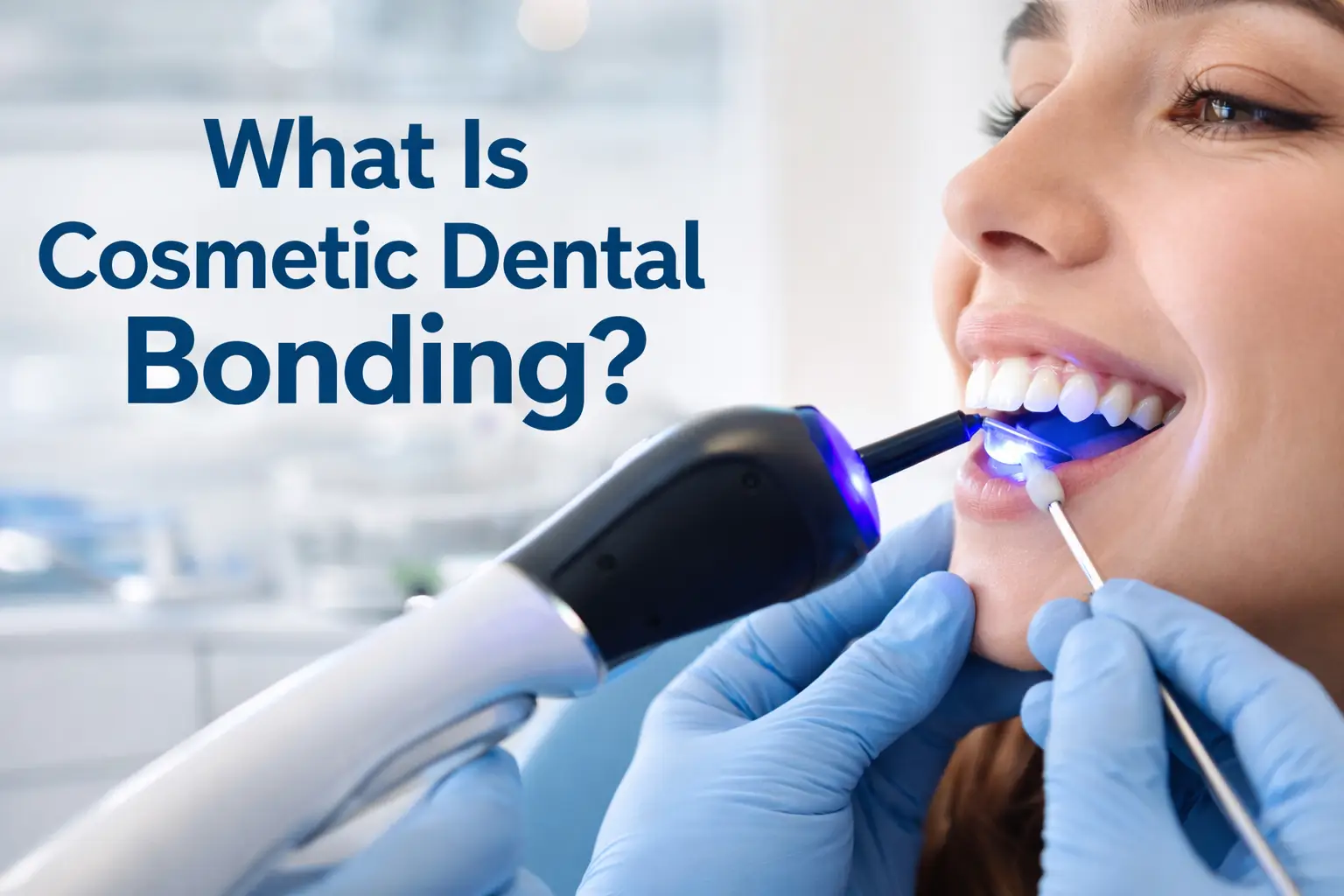
Cosmetic dental bonding is a procedure where a dentist applies a tooth-colored composite resin to your tooth surface, shapes it artistically, and hardens it using a special curing light.
The resin chemically bonds to your tooth—hence the name “bonding.”
Key characteristics:
- Uses composite resin (same material as white fillings)
- Preserves natural enamel
- Usually completed in one appointment
- No lab work required
According to the American Dental Association, bonding is one of the most conservative cosmetic treatments available today.
2. How Cosmetic Dental Bonding Works (Step-by-Step)
One reason cosmetic dental bonding is so popular is its simplicity.
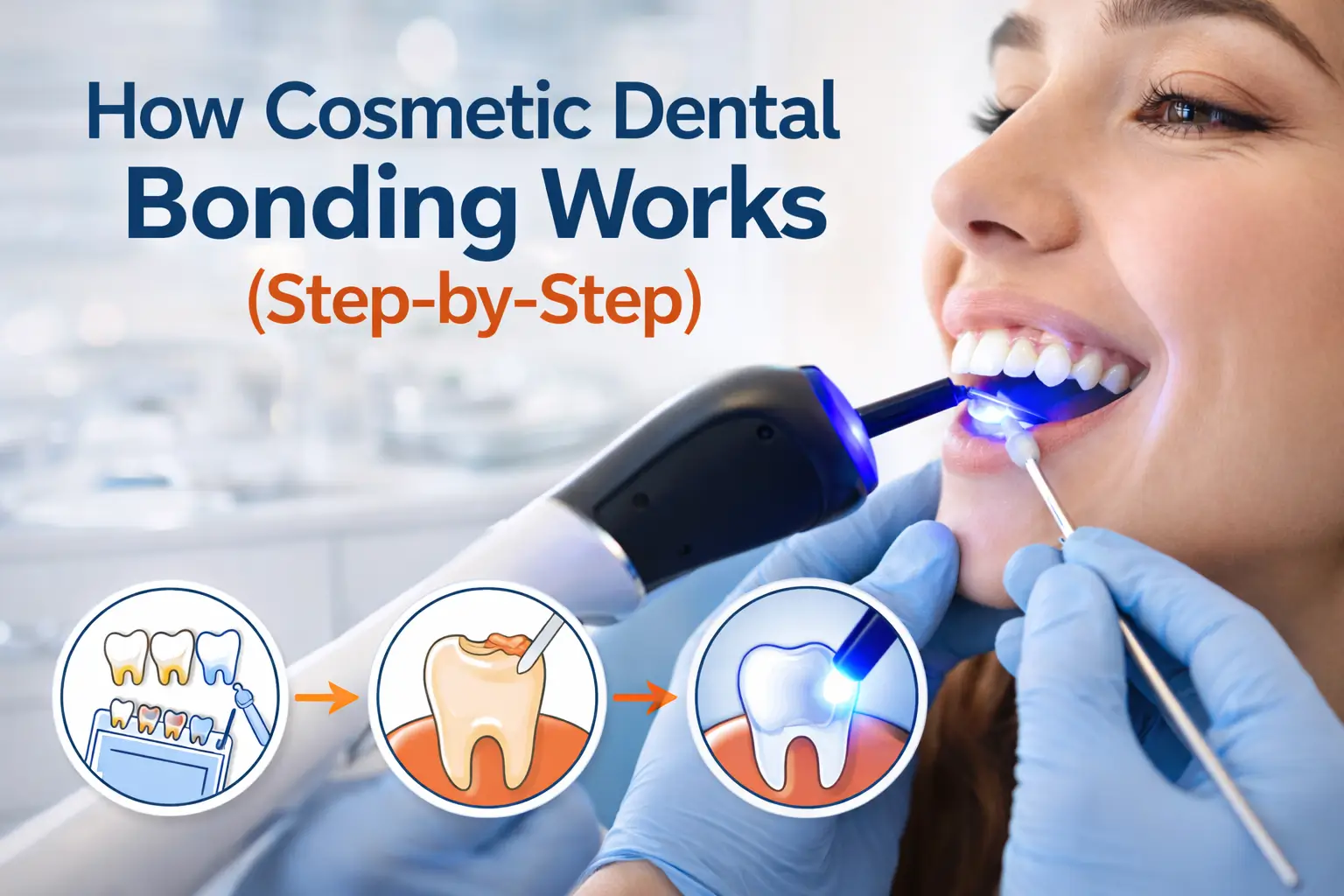
Step-by-step process:
- Shade matching – Dentist selects resin that matches your natural teeth
- Surface preparation – Light etching to help adhesion (no drilling)
- Resin application – Tooth-colored composite is layered on the tooth
- Sculpting & shaping – Dentist shapes the resin for a natural look
- Curing – Blue light hardens the material in seconds
- Polishing – Final shine to blend seamlessly with surrounding teeth
⏱ Time required: 30–60 minutes per tooth
💉 Anesthesia: Usually not required
3. Problems Cosmetic Dental Bonding Can Fix
Cosmetic dental bonding is surprisingly versatile.
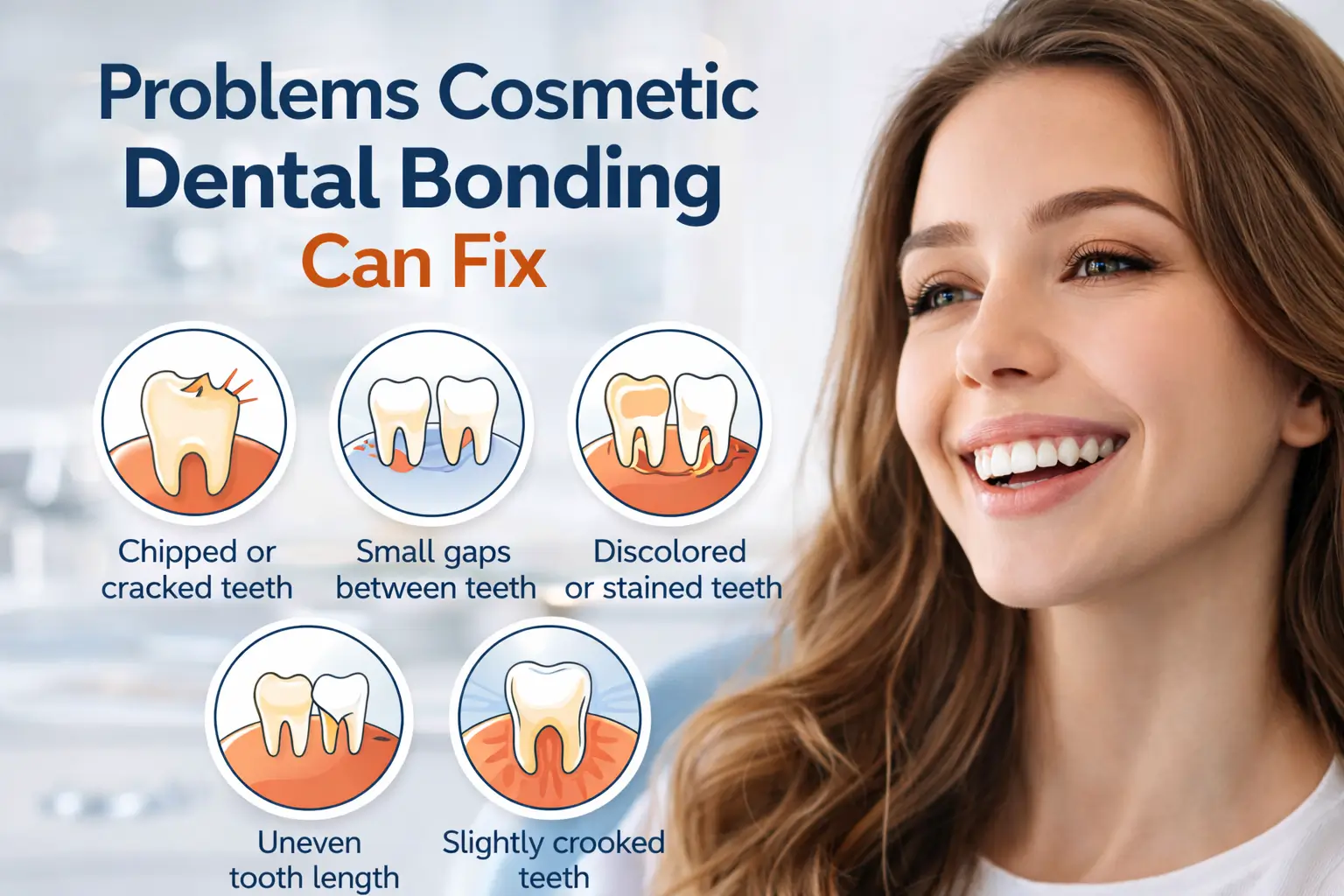
Common dental issues it treats:
- Chipped or cracked teeth
- Small gaps between teeth (diastema)
- Discolored or stained teeth
- Uneven tooth length
- Slightly crooked teeth
- Exposed tooth roots from gum recession
- Minor tooth decay (cosmetic fillings)
📊 A study published in the Journal of Esthetic and Restorative Dentistry reports success rates above 90% for anterior (front) tooth bonding over 5 years.
4. Dental Bonding vs Veneers vs Crowns
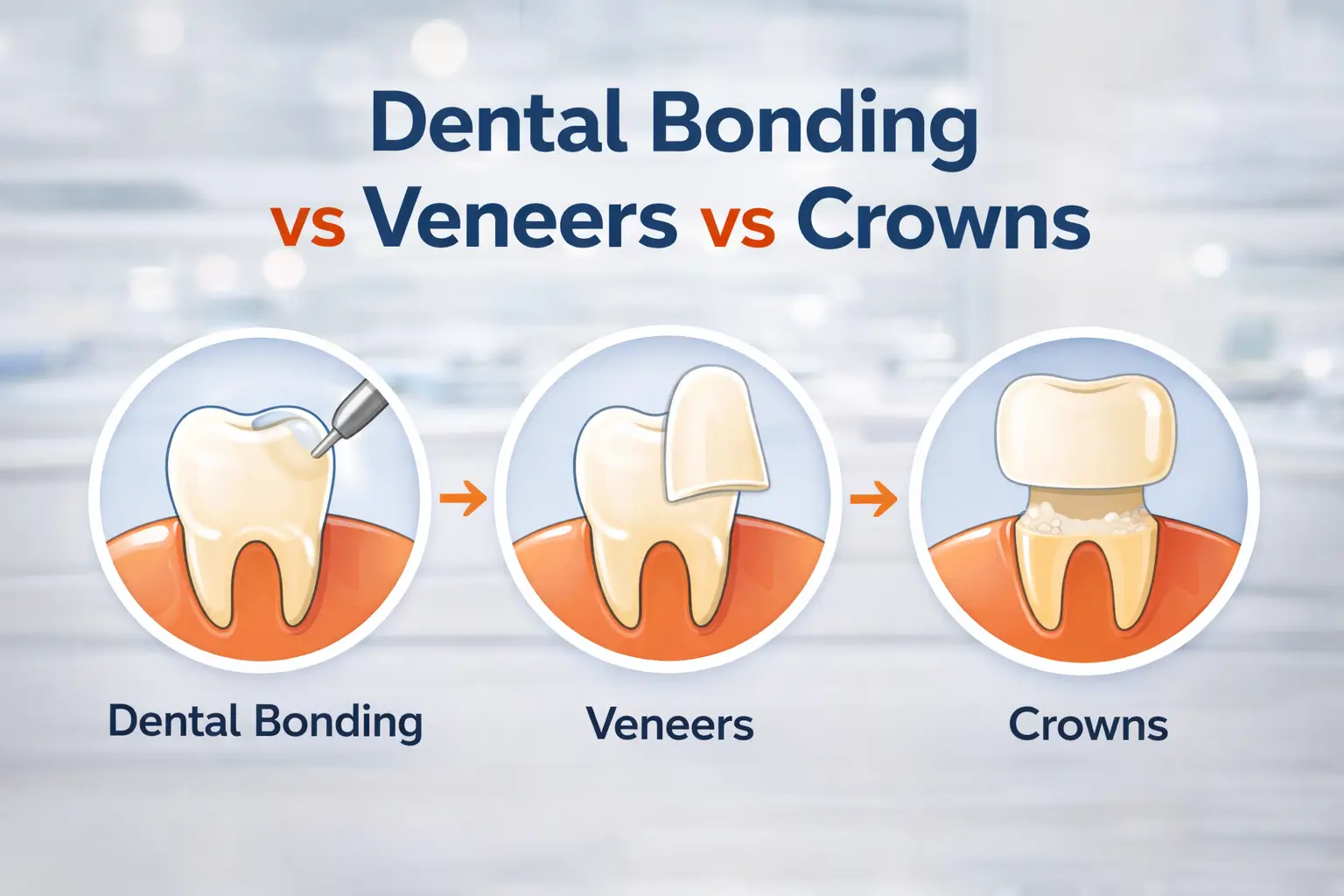
| Feature | Dental Bonding | Veneers | Crowns |
|---|---|---|---|
| Cost | Low | High | High |
| Tooth removal | Minimal | Moderate | Significant |
| Reversibility | Yes | No | No |
| Lifespan | 3–10 years | 10–15 years | 15+ years |
| Visits | 1 | 2–3 | 2–3 |
Cosmetic dental bonding is ideal if you want quick improvement without permanent alteration.
5. Benefits of Cosmetic Dental Bonding
Why dentists recommend it:
- ✅ Preserves natural tooth structure
- ✅ Affordable cosmetic option
- ✅ Instant results
- ✅ No anesthesia in most cases
- ✅ Repairable and reversible
🦷 Many cosmetic dentists consider bonding the “gateway procedure” to smile makeovers.
6. Limitations & Risks You Should Know
Cosmetic dental bonding isn’t perfect—and honest dentistry matters.
Potential drawbacks:
- Resin stains faster than porcelain
- Less durable than veneers or crowns
- Can chip with biting hard foods
- Requires good oral hygiene
⚠️ Bonding is not ideal for:
- Severe misalignment
- Large structural damage
- Heavy teeth grinders (bruxism)
7. How Long Does Cosmetic Dental Bonding Last?
With proper care:
- Average lifespan: 5–7 years
- Can last up to: 10 years
Factors affecting longevity:
- Oral hygiene habits
- Diet (coffee, tea, tobacco)
- Teeth grinding
- Dentist’s skill level
The Cleveland Clinic notes that regular dental checkups significantly extend bonding lifespan.
8. Cost of Cosmetic Dental Bonding (Real Numbers)
Typical costs (per tooth):
- 🇺🇸 USA: $100 – $600
- 🇬🇧 UK: £90 – £400
- 🇮🇳 India: ₹2,000 – ₹8,000
💡 Cost depends on:
- Tooth location
- Dentist’s expertise
- Complexity of shaping
Compared to veneers ($900–$2,500 per tooth), cosmetic dental bonding is one of the most budget-friendly smile fixes.
9. Does Dental Insurance Cover Bonding?
- Cosmetic bonding: Usually not covered
- Bonding for decay or damage: Often partially covered
Always ask your insurer—and your dentist—to clarify coding before treatment.
10. Who Is the Ideal Candidate?
You’re likely a great candidate if you:
- Have healthy teeth and gums
- Want subtle cosmetic improvements
- Prefer non-invasive treatments
- Need quick results
- Are budget-conscious
Your dentist may suggest alternatives if structural issues exist.
11. Before & After: What Results to Expect
Cosmetic dental bonding delivers natural-looking improvements, not artificial perfection.
Realistic expectations:
- Improved symmetry
- Brighter smile appearance
- Closed small gaps
- Restored confidence
Many patients report increased self-esteem within days of treatment.
12. Caring for Bonded Teeth
Best practices:
- Brush twice daily with non-abrasive toothpaste
- Floss daily
- Avoid biting ice, pens, or nails
- Limit coffee, red wine, tobacco
- Visit dentist every 6 months
Bonded teeth can be polished or repaired if damaged.
13. Expert Opinions & Dental Authority Insights
“Cosmetic dental bonding is one of the most conservative ways to enhance a smile while preserving natural tooth structure.”
— Dr. Mark Wolff, former President, American Dental Association
According to research from Harvard School of Dental Medicine, minimally invasive cosmetic dentistry improves long-term oral health outcomes.
14. Cosmetic Dental Bonding FAQs
1. Is cosmetic dental bonding painful?
No. Most patients experience little to no discomfort.
2. Can bonding be whitened later?
No. Resin does not respond to whitening treatments.
3. Is dental bonding safe?
Yes. It’s FDA-approved and widely used.
4. Can bonding fix crooked teeth?
Only minor alignment issues—not severe cases.
5. How soon can I eat after bonding?
Immediately, but avoid hard foods for 24 hours.
15. Final Thoughts: Is Cosmetic Dental Bonding Worth It?
If you want fast, affordable, and conservative smile improvement, cosmetic dental bonding is hard to beat. It’s not about perfection—it’s about confidence, comfort, and control.
✨ Action step: Schedule a cosmetic consultation and ask if bonding fits your smile goals before committing to permanent treatments.